A blocked drain never picks a convenient time. More often than not, it shows up when the house is full, the dishwasher is working overtime and the family is about to sit down to a big meal. With the festive season only weeks away, now is a smart time to understand what causes blockages and what you can do to prevent them.
many people assume a blocked drain is a one off problem, but it is often a symptom of something bigger underneath. Here is what actually causes blockages in Perth homes, and why finding the cause matters as much as clearing the blockage.
What is blocking drains across WA
Water Corporation responded to more than 1,300 preventable wastewater blockages in 2023, up from 918 in 2021 and 1,152 in 2022. It says fats, oils and grease hardening in pipes cause around 30 per cent of the blockages it deals with, and close to 400 a year are caused by wet wipes, paper towel, cotton buds and sanitary products. In March 2025, crews spent two days cutting up a 30 tonne fatberg at Woodman Point in Perth’s south, the largest ever found in WA.
Those figures cover the public sewer network, but the same habits play out in the pipes at your place. Whatever goes down your sink or toilet has to travel through your own drains before it ever reaches the street.
Tree roots: the hidden problem on your property
The Water Corporation numbers do not capture what happens in the pipes inside your property boundary, and this is where tree roots come in. Roots head for moisture, slip into tiny cracks or joints in underground pipes, and then grow into thick mats that catch everything else flowing past.
Perth’s dry climate makes roots even more determined to find water, and many established suburbs have mature trees growing over older clay or earthenware pipes with joints that have shifted over the decades. Jacarandas and figs are well known for aggressive root systems. It is one of the most common reasons a drain blocks again and again.
The other usual suspects
- Fats, oils and grease. Poured down the kitchen sink, they cool and harden inside pipes and catch anything else passing through. Let used cooking fat cool, then scrape it into the bin, especially after a big festive meal.
- Wipes. Water Corporation says even wipes labelled flushable belong in the bin, because most do not break down like toilet paper. They tangle with roots and grease and build up into blockages.
- Hair and soap scum. These are behind most slow showers and basins.
- Food scraps and foreign objects. Coffee grounds, rice, paper towel, cotton buds and nappies all cause trouble.
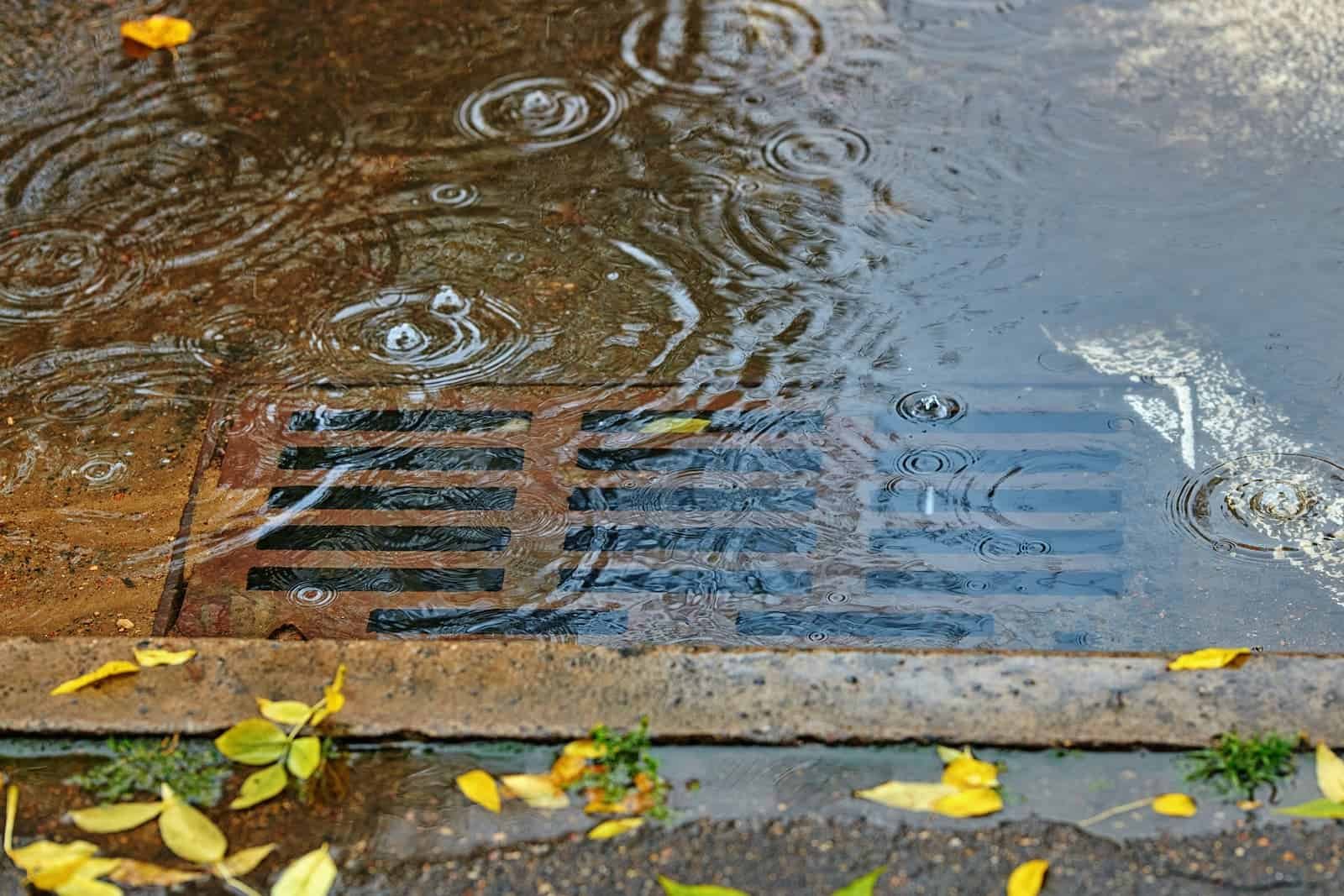
- Sand and garden debris. Perth’s sandy soil can wash into outdoor and stormwater drains and settle in the pipes.
Early warning signs
Drains rarely block without warning. Watch for water that drains slowly, gurgling sounds from sinks or toilets, a sewer smell around the house or yard, water pooling around floor drains, or more than one fixture backing up at the same time. If several drains are affected at once, the problem is usually in the main line rather than a single fixture.
Why clearing the blockage is not enough
A plunger or a bottle of drain cleaner might shift a soft blockage, but if roots, a cracked pipe or a collapsed section is behind it, the blockage will come straight back. Harsh chemical cleaners can also damage pipes and are not a good idea if the cause is structural.
That is why a proper CCTV drain inspection makes such a difference. A small camera is fed through the pipe so we can see exactly what is happening, rather than guessing. Plumbdog finds the blockage and the cause behind it, whether that is roots, a broken joint, a sagging section or a build up of grease. High pressure water jetting can then clear the line properly.
Repair, not just clear
Many drain services stop once the water is flowing again. If the pipe is damaged, that only buys you time. Plumbdog also repairs the drain damage itself, so you are not paying for the same blockage to be cleared again in six months.
Depending on what the camera shows, the fix might be a spot repair to a cracked or displaced section, or replacing a short length of pipe. In some cases, a badly deteriorated line needs more extensive work. We will explain what we can see and what your realistic options are before any work starts.
Who is responsible for which pipe?
Generally, the drains inside your property boundary are the homeowner’s responsibility, while the main sewer network is looked after by Water Corporation. If sewage is overflowing and you are not sure where the problem sits, a licensed plumber can check and tell you. Water Corporation has a 24 hour faults line on 13 13 75 for reporting wastewater overflows.
Simple ways to prevent blockages
- Scrape plates and pans into the bin, and let used cooking fat cool and set in a container before binning it.
- Use a sink strainer and a hair catcher in the shower.
- Only flush toilet paper. Everything else, including wipes labelled flushable, goes in the bin.
- Know where your drains run and avoid planting thirsty trees close to them.
- Get recurring slow drains looked at early, before they turn into an overflow.
If your drains keep slowing down or you have already had a blockage come back, it is worth finding out why. The team at Plumbdog will track down the blockage and its cause, then repair any damage so it stays fixed. Find out more about our Plumbdog Blocked Drains Perth service or call us to arrange an inspection.