
Would a pool or a basement improve your property? Are you a contractor who regularly installs or modifies them?
It is now easier to dig pools and basements, whether as a DIY project or as a contractor, with the latest generation of mini excavators. Residential sites are particularly challenging because, beyond the limited budget for larger mini excavators, you often have limited side space access and access once inside. To get the job done without damaging existing structures, you need a combination of a narrow mini-excavator, zero tail swing, sufficient reach, and sufficient power. We will discuss these factors in depth to help you choose the right mini excavator to rent or purchase, as well as other considerations when digging pools and basements for your benefit.
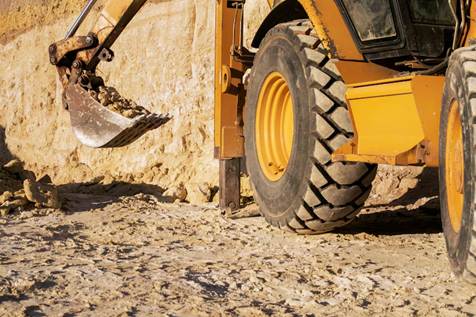
1. Overcoming the Tight Access Hurdle
- The Retractable Edge: Most modern mini excavators, including the Rippa R10, feature a retractable undercarriage. This allows you to shrink the track width to under 1,000 mm to navigate narrow side passages, then “flare” the tracks out once you reach the dig site. This creates a wider, more stable footprint, ensuring maximum safety during deep excavation.
- Zero Tail Swing: This is critical when carving out the precise shell of a pool or digging flush against a house foundation. It allows the operator to rotate the cab fully within the width of the tracks, meaning you can dump spoil into a skip or shuttle without the rear of the machine swinging into a boundary fence or existing wall.
2. Depth Requirement
You cannot just assume that a mini excavator has sufficient reach – it is important to check the specifications of the machine you are looking at.
Using Rippa models as an example: the Rippa R06 (600kg) has a max digging depth of 1m, while the Rippa R10 (1T) has almost double that at 1.8m! Conversely, the Rippa R15 does not offer greater depth than the Rippa R10, despite being larger.
A standard residential pool is around 1.2m-1.8m deep, so a mini excavator with a maximum digging depth of 1.8-2m is sufficient. Most micro excavators do not have this range, but the R10 would be sufficient and a better choice over the R15, depending on the toughness of what you are digging into.
For basements, the ceiling height is generally 2.4m-3m, so you would need a mini excavator with a higher specification, such as the Rippa R32.
3. The Geology Factor
You also need to consider the material beneath the grass when selecting your mini excavator or attachment.
- Excavating in Sandstone and Hard Rock: For pool installations, hitting unexpected rock can stall a project for weeks. To avoid massive delays, you need a mini excavator compatible with specialized attachments like a hydraulic rock hammer. This allows you to break through rock layers to reach the exact floor elevation required for pool plumbing and drainage.
- Managing Reactive Clay: Heavy clay is dense and tends to stick to buckets, which slows down the excavation process. For these conditions, you need a machine with a high breakout force of approximately 20kN or higher. This ensures the equipment maintains consistent cycle speeds without stalling in the subsoil.
If unsure, using an excavator with a strong engine, such as the Rippa R15 with its triple-cylinder liquid-cooled Kubota engine, can reduce any digging difficulties.
4. Spoil Management and Tipping Fees
Disposal fees can be one of the highest hidden costs in any excavation project. Using a smaller bucket enables precise source separation, which directly affects your total project cost. A mini excavator that comes with a hydraulic thumb reinstalled can also greatly help you, as this attachment allows you to clamp materials within the bucket, allowing you to pick up debris and transfer materials more efficiently and accurately.
- clean Fill and Natural Materials: Keep clean rock and soil separate from other debris to qualify for the lowest possible tipping rates at disposal sites.
- Mixed Waste and Contaminants: Segregate old bricks, tiles, and general fill from natural soil.
By avoiding cross-contamination of these materials, you prevent paying premium contaminated-waste prices for the entire load. This level of organization can save thousands in logistics and disposal fees.
Safe Excavation & Compliance![]()
You should consider the legal requirements before digging. For example, in Australia:
- BYDA Requirements
It is standard practice nationwide to use the Before You Dig Australia (BYDA) service before any mechanical excavation. Penalties for damaging utility networks are significant for both individuals and corporations.
- SafeWork NSW Standard
For excavations deeper than 1.5 meters, you must implement shoring or benching techniques to prevent soil collapse and ensure operator safety.
- Sediment Control
Sydney councils strictly enforce silt management. The low-impact rubber tracks of a mini excavator minimize soil disturbance, helping you stay compliant with local environmental runoff regulations.
Frequently Asked Questions
| How long does it take to dig a standard pool with a mini excavator? |
| Usually 8–12 hours. Add 1-2 days if you hit solid sandstone. |
| Can a mini excavator handle the precision required for a pool shell? |
| Yes. The fine hydraulic control of machines allows for highly accurate digging. This prevents over-excavation, ensuring you aren’t spending extra money on unnecessary concrete to fill gaps. |
| Can a 2-ton excavator dig through heavy clay? |
| Yes, provided the machine has a high breakout force of approximately 20kN. This allows it to maintain power in dense subsoil without stalling. |
| Will it ruin my lawn? |
| Rubber tracks, compared to steel tracks, exert minimal pressure, but using bog mats is still recommended to protect soft turf. |
The Bottom Line
The mini excavator has redefined residential earthmoving. By combining a small footprint with advanced hydraulics, these machines turn complex pool and basement excavations into streamlined projects. Whether you are a homeowner or a contractor, compact equipment is the smartest tool for digging deep, but make sure to consider the machine’s width, features, the ground you are digging, disposal, and compliance for a smooth experience.

