
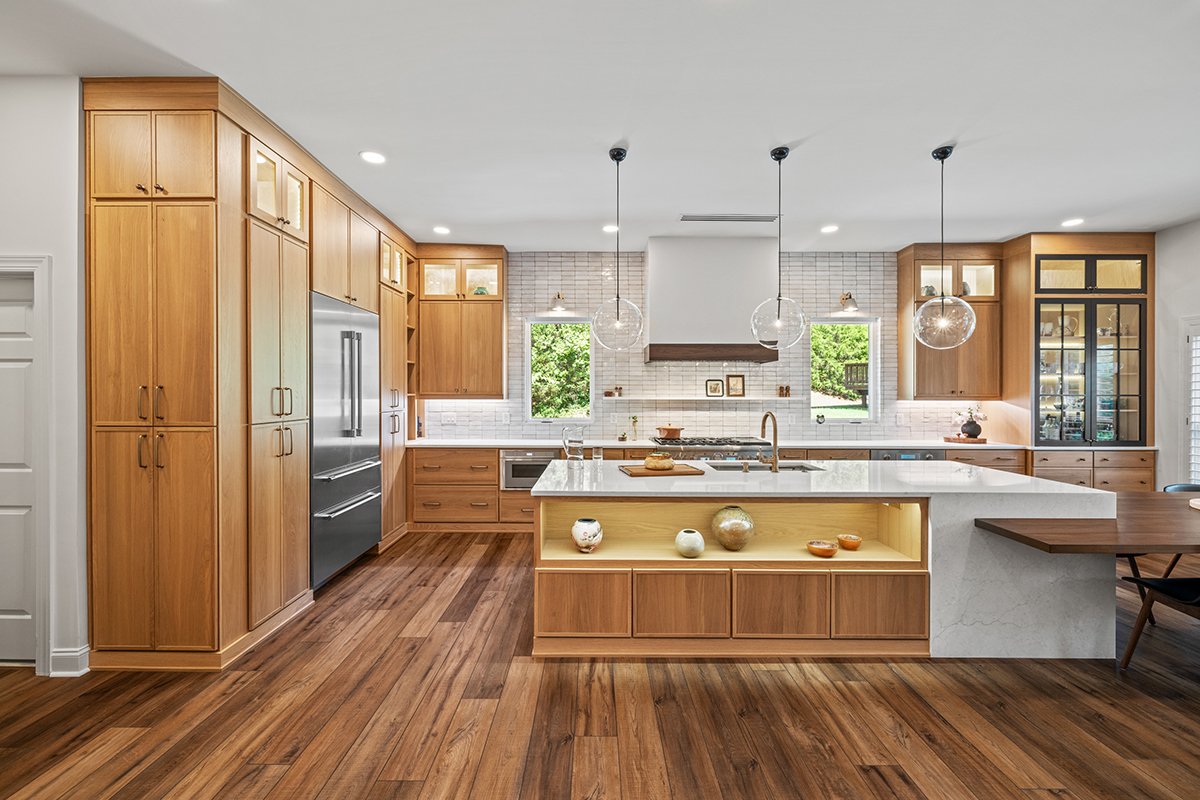
Modern living is no longer only about having a beautiful home. People today want spaces that support productivity, comfort, relaxation, and personal well being. Functional design has become one of the most important aspects of modern architecture and interior planning because it directly affects how individuals experience daily life. Whether it is a small apartment, a family house, or a work from home setup, creating spaces that serve practical purposes can improve mood, efficiency, and overall quality of life.
The Importance Of Functional Design
A functional space is one that balances style with usability. Instead of filling rooms with unnecessary items, modern homeowners are focusing on layouts that make movement easier and activities more efficient. Good design helps reduce stress because everything has a clear purpose and place.
Many homeowners are now inspired by ideas shared through social media trends Australia, where designers showcase innovative storage solutions, minimalist layouts, and multipurpose furniture. These ideas encourage people to rethink how they use their living spaces and discover creative ways to improve comfort without sacrificing aesthetics.
Functional design also supports healthier lifestyles. Proper lighting, natural ventilation, and organized interiors create environments that encourage better focus, sleep, and relaxation. Even small changes such as rearranging furniture or adding storage can make daily routines smoother.

Making Small Spaces More Efficient
As urban living becomes more common, many people are learning how to maximize smaller homes and apartments. Efficient use of space is no longer optional because limited square footage requires smarter planning.
Furniture with multiple uses has become increasingly popular. Foldable desks, hidden storage beds, and modular seating allow homeowners to use one room for several purposes throughout the day. This flexibility is especially useful for people working remotely or living in compact apartments.
Creative ideas for compact living are often highlighted in the australian startups directory, where innovative home brands introduce products designed for modern lifestyles. From smart storage systems to sustainable furniture, these businesses are helping homeowners create environments that feel open and organized even in smaller areas.
Vertical storage solutions are also becoming essential. Shelves, hanging organizers, and wall mounted furniture help free up floor space while keeping important items accessible. Functional spaces are not necessarily large spaces. They are spaces that are thoughtfully arranged.
Designing Spaces Around Daily Routines
One of the best ways to improve a home is to design it according to everyday habits. A home should support the lifestyle of the people living in it rather than forcing them to adapt to poor layouts.
For example, families with children may prioritize open kitchens connected to living areas so parents can supervise activities while preparing meals. Professionals working from home may benefit from dedicated office corners that minimize distractions. Fitness enthusiasts may create small workout zones that encourage consistent exercise routines.
This personalized approach has gained popularity through discussions in melbourne food and lifestyle communities, where homeowners share how design choices influence dining experiences, social gatherings, and relaxation at home. Functional design often focuses on creating practical environments that encourage meaningful daily experiences.
Organized entryways, efficient kitchens, and relaxing bedrooms can significantly improve routines. When spaces are planned around real needs, everyday activities become easier and more enjoyable.
The Role of Natural Elements
Natural materials and lighting have become major priorities in functional home design. Sunlight, plants, and earthy textures create calming environments that support emotional well being. Homes that incorporate natural elements often feel more welcoming and balanced.
Large windows, indoor plants, and neutral color palettes are commonly used to create peaceful atmospheres. Natural lighting also reduces dependence on artificial lights during the day, making homes more energy efficient.
Many inspiring examples can be found through local stories australia, where homeowners and designers showcase creative transformations that combine functionality with environmental awareness. These stories demonstrate that practical design does not need to feel cold or overly minimal. Instead, it can create warmth and personality while still improving efficiency.
Sustainable design is also becoming more important. Recycled materials, energy efficient appliances, and eco friendly furniture choices allow homeowners to create spaces that are both practical and environmentally responsible.
Technology and Smart Living
Technology has changed the way people interact with their homes. Smart devices now help manage lighting, temperature, security, and entertainment systems more efficiently. Functional spaces increasingly rely on technology to improve convenience and save time.
Voice controlled systems, automated lighting, and smart storage innovations allow homeowners to customize their environments according to personal preferences. These technologies are especially useful in homes where maximizing efficiency is essential.
Design inspiration related to smart living is frequently explored on platforms connected to the australia culture blog community, where discussions often focus on balancing technology with comfort and simplicity. The goal is not to overload homes with gadgets but to use technology in ways that genuinely improve daily experiences.
Even simple technological upgrades can create noticeable improvements. Smart thermostats reduce energy costs, while wireless charging stations and cable management systems help maintain cleaner and more organized interiors.
Creating Spaces That Truly Support Life
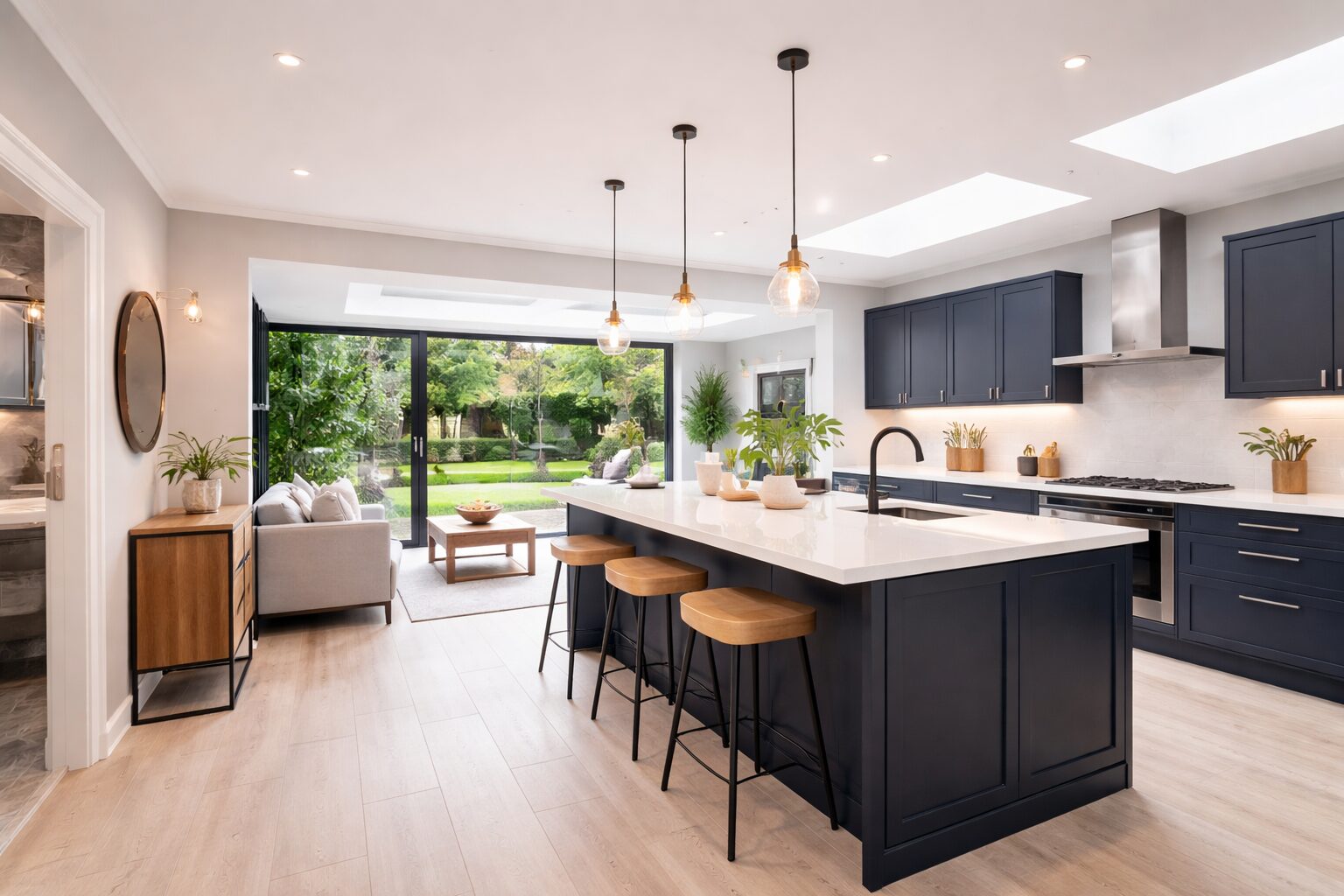
Functional design is about more than appearance. It is about creating spaces that help people feel comfortable, productive, and emotionally balanced every day. Homes should adapt to changing lifestyles and support the activities that matter most.
By focusing on organization, flexibility, natural elements, and practical layouts, homeowners can transform ordinary spaces into environments that improve overall well being. Functional spaces encourage better habits, reduce stress, and make everyday living more enjoyable.
As design trends continue evolving, the most successful homes will be those that combine beauty with purpose. A thoughtfully designed space has the power to influence mood, strengthen routines, and create a more fulfilling daily life experience.


