Creating a balanced interior is about much more than filling a room with attractive furniture and decorations. True harmony in design comes from Understanding how texture and tone work together to influence atmosphere, comfort, and visual appeal. Whether a space is modern, rustic, minimalist, or traditional, the careful combination of materials, colors, and finishes can transform an ordinary room into an inviting and functional environment.
Texture gives a room personality while tone establishes emotional direction. Together, they shape how people experience a space on both visual and sensory levels. Homes that successfully blend these elements often feel more peaceful, organized, and naturally welcoming.
The Importance of Texture in Interior Design
Texture refers to the surface quality of materials used throughout a room. Some textures feel soft and smooth while others appear rough, natural, or structured. The interaction between different textures creates depth and interest, helping interiors avoid looking flat or lifeless.
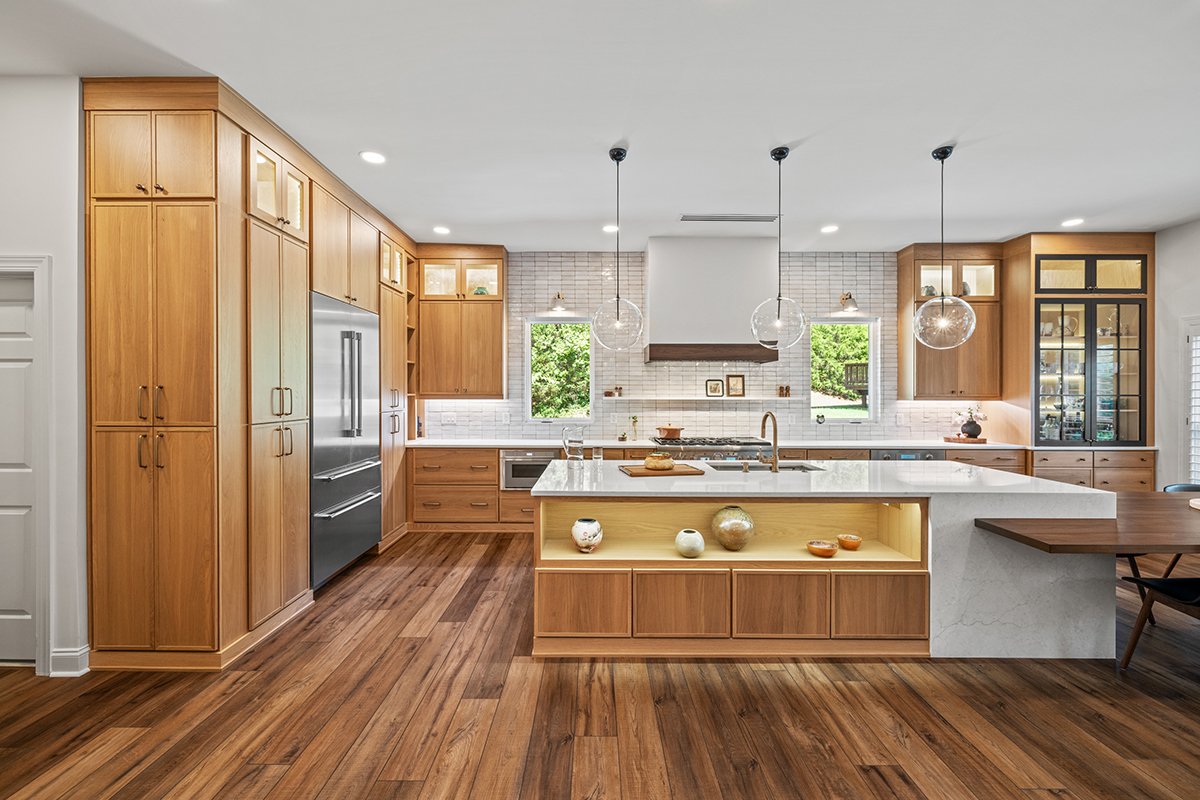
Soft fabrics such as velvet cushions, wool rugs, or linen curtains add warmth and comfort to living spaces. Harder surfaces like stone countertops, polished wood floors, or metallic fixtures introduce contrast and structure. A room with only smooth finishes can feel cold and repetitive, while a room filled with too many rough textures may appear chaotic.
Balanced interiors usually contain a thoughtful mix of both. Designers often combine natural elements with refined finishes to create spaces that feel layered and visually complete. This approach works particularly well in living rooms, bedrooms, and dining areas where comfort and functionality are equally important.
Modern homeowners also gather inspiration from online platforms and lifestyle resources such as https://australiabusinessinsights.com.au, where discussions around design trends and creative living solutions continue to influence contemporary home styling.

Understanding the Role of Tone
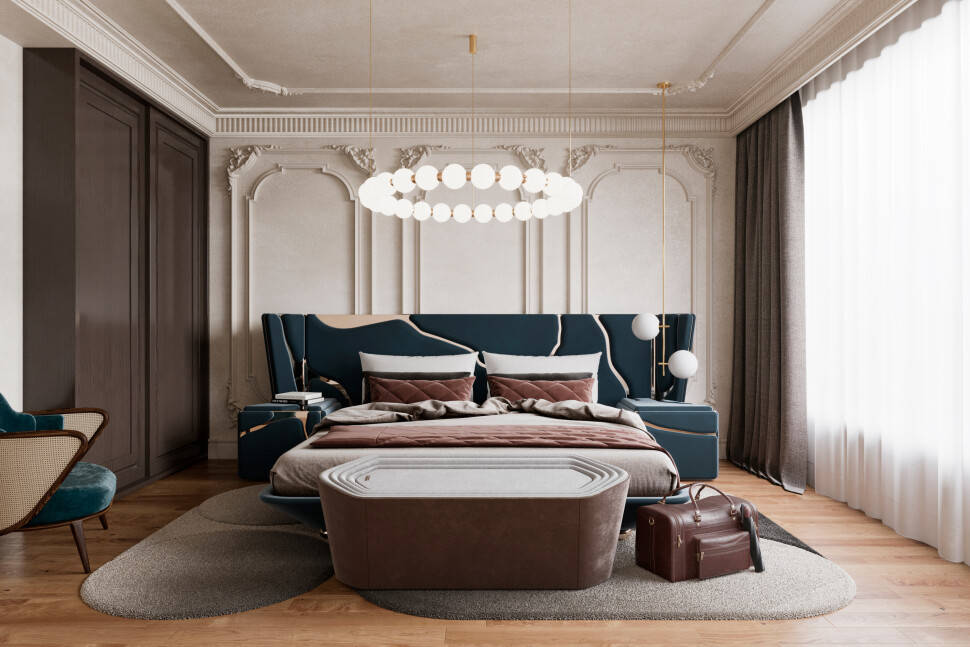
Tone in interior design refers to the overall lightness, darkness, or mood created by colors and finishes. Neutral tones often create calm and timeless interiors, while darker shades add sophistication and depth. Warm tones introduce comfort and coziness, whereas cooler tones can make a room feel airy and refreshing.
The key to successful tonal balance is consistency. Rooms with too many competing shades may feel visually overwhelming. Instead, designers often select a dominant tone and support it with complementary accents.
Tonal balance is especially important in open concept homes where multiple spaces connect visually. Consistent tones help maintain flow between rooms while still allowing individual areas to develop their own identity.
Combining Texture and Tone for Visual Harmony
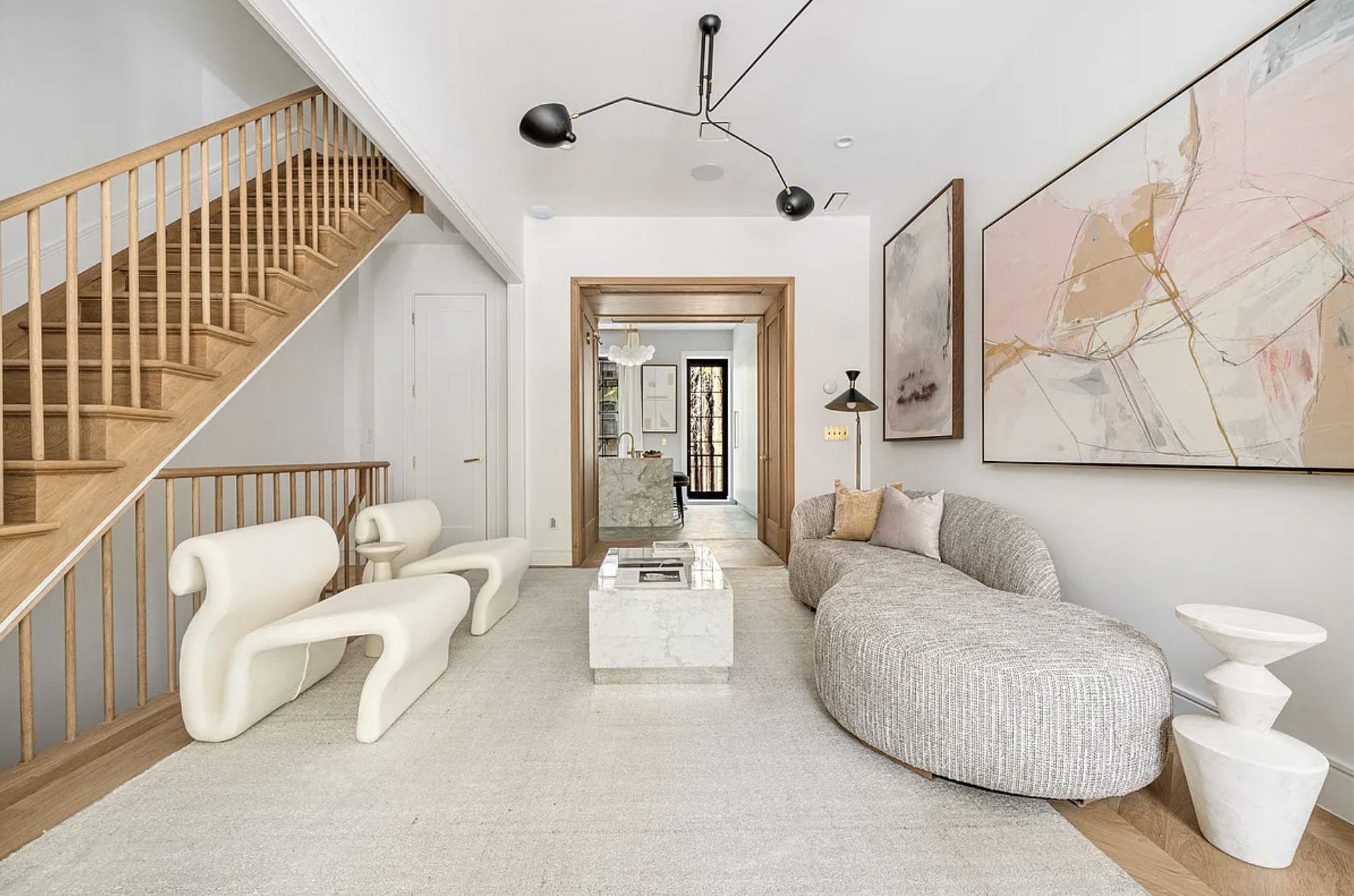
Texture and tone should never operate independently. Their interaction determines how balanced a room ultimately feels. A neutral color palette paired with varied textures often creates elegant interiors without needing bold decorative elements.
For example, a room featuring cream walls, soft cotton upholstery, woven baskets, ceramic décor, and natural timber furniture may use only subtle colors, yet still appear rich and sophisticated because of the textural diversity.
On the other hand, bold tones require careful texture selection. Deep navy walls paired with glossy surfaces can sometimes feel too dramatic. Adding softer textures like fabric seating or textured rugs introduces warmth and balance.
Interior styling today increasingly focuses on emotional comfort rather than perfection. Articles published through platforms connected to uploadarticle health often discuss how thoughtfully designed environments can positively influence stress levels, focus, and overall well being.
Natural Materials Create Better Balance
Natural materials remain one of the most effective ways to introduce balanced texture and tone into interiors. Wood, stone, cotton, leather, clay, and woven fibers bring authenticity and visual softness to modern spaces.
Wood adds warmth regardless of whether it appears in flooring, shelving, or furniture. Stone introduces durability and grounded character. Linen and cotton fabrics help soften sharper architectural lines. These materials work together naturally because their textures complement one another without appearing forced.
Businesses involved in furniture, décor, and renovation services continue to contribute to this growing movement through platforms associated with business hub Australia, where creative industries regularly explore evolving consumer preferences and design innovation.
Lighting Influences Texture and Tone
Lighting plays a major role in how texture and tone appear within a room. Natural sunlight highlights surface details and enhances color variation throughout the day. Artificial lighting, meanwhile, can either soften or intensify visual contrasts.
Warm lighting generally complements earthy tones and soft textures, creating relaxed environments ideal for bedrooms and living areas. Cooler lighting works well in kitchens, bathrooms, and modern office spaces where clarity and brightness are important.
Layered lighting is often the most effective approach. Combining ceiling fixtures, wall lighting, floor lamps, and accent lighting allows textures to stand out while maintaining tonal consistency throughout the space.
Interior design publications and creative discussions featured by kaku press frequently emphasize the importance of lighting as a tool for shaping emotional atmosphere within modern homes.
Personal Style Matters Most
Balanced interiors should still reflect individual personality and lifestyle needs. Some people prefer calm minimalist environments while others enjoy layered eclectic spaces filled with decorative detail. The goal is not to follow strict design rules but to create cohesion between elements.
Small adjustments can make significant differences. Adding textured cushions, changing curtain fabrics, introducing wooden accents, or adjusting wall tones can instantly improve visual balance without requiring major renovations.
Even kitchens and dining spaces benefit from this philosophy. Hospitality inspired interiors now frequently blend natural materials with soft tonal palettes to create welcoming social environments influenced by evolving lifestyle trends and regional inspirations such as Adelaide food and drink news.
Conclusion
Bringing balance to interiors through texture and tone is ultimately about creating spaces that feel comfortable, functional, and visually connected. Texture adds depth while tone establishes mood, and together they shape how people experience their surroundings every day. Thoughtful combinations of materials, colors, lighting, and natural elements help interiors feel complete without becoming overwhelming. As modern design continues to move toward comfort focused living, balanced interiors will remain essential for creating homes that support both beauty and well being.