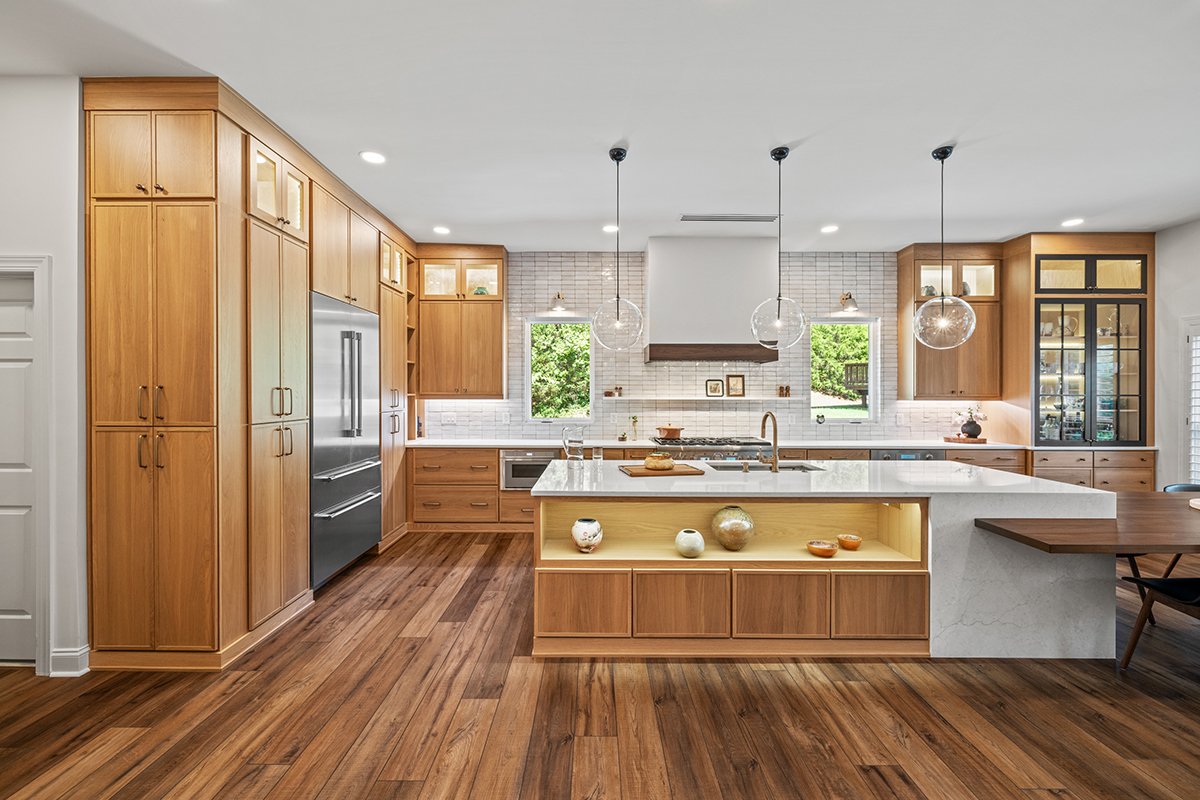
Designing a home is not just about aesthetics or trends. It is about creating a space that supports your daily habits, routines, and personal needs. Many people end up living in homes that look beautiful but feel inconvenient because they do not align with how they actually live. Even during relaxed moments, like casually checking something such as dear jackpot, you may notice whether your surroundings feel comfortable or restrictive. A well designed home should make life easier, not more complicated.
Understanding Your Daily Routine
The first step in designing a home that works for you is understanding your daily routine. Think about how you move through your space from morning to night. Where do you spend most of your time? What activities do you perform regularly?
If your layout does not match your routine, even simple tasks can feel frustrating. For example, if your kitchen is far from your dining area, or your workspace is placed in a noisy environment, it can disrupt your flow. Designing with your routine in mind ensures that your home supports your lifestyle rather than creating obstacles.
Prioritizing Function Over Trends
Trends come and go, but functionality remains essential. A stylish design may look appealing at first, but if it does not serve your needs, it will quickly become inconvenient.
When planning your home, focus on what works for you instead of what is popular. Systems like Aepdsbiharcardf highlight how structured organization can improve efficiency. Similarly, a well planned home layout should prioritize usability and convenience over temporary design trends.
Creating Flexible spaces
Modern lifestyles are dynamic, and your home should be able to adapt. Instead of designing rigid spaces with single purposes, consider creating flexible areas that can serve multiple functions.
A living room can double as a workspace, or a guest room can be used for hobbies when not occupied. Flexibility ensures that your home evolves with your needs, making it more practical and future ready.
Designing For Comfort And Flow
Comfort is one of the most important aspects of a functional home. The way rooms connect and the ease of movement between them can significantly impact your daily experience.
Think about how you transition from one space to another. A smooth flow reduces stress and makes your home feel more natural. Just like following updates on Cricketbuzzing keeps you engaged with the flow of a game, a well designed home keeps your daily activities seamless and uninterrupted.
Incorporating Personal Style
While functionality is key, your home should also reflect your personality. Personal touches make a space feel unique and meaningful.
This could include artwork, colors, or decor that resonates with you. Even something as light hearted as adding elements inspired by shark puns can bring a sense of joy and individuality to your space. Personalization ensures that your home feels like your own, rather than a generic design.
Managing Storage Effectively
Clutter can quickly turn a well designed home into a stressful environment. Proper storage solutions are essential for maintaining order and functionality.
Consider built in storage, multi purpose furniture, and organized layouts to keep everything in its place. When your home is clutter free, it becomes easier to focus, relax, and enjoy your surroundings.
Balancing Privacy And Openness
A good home design balances open spaces with areas of privacy. While open layouts encourage interaction and connectivity, private spaces are equally important for relaxation and personal time.
Creating zones within your home allows you to switch between social and personal activities comfortably. This balance ensures that your home supports both interaction and solitude.
Emotional Connection To Your Space
Your home should not only meet physical needs but also support your emotional well being. A space that feels calm, welcoming, and inspiring can improve your overall quality of life.
Expressions like status shayari often capture emotions and moods, reflecting how deeply environment and feelings are connected. Similarly, your home should create an atmosphere that aligns with how you want to feel every day.
Adapting To Changing Needs
Life is constantly changing, and your home should be able to adapt. Whether it is a growing family, a new job, or changing interests, your space should evolve with you.
Designing with flexibility in mind ensures that your home remains functional and relevant over time. Small adjustments and updates can make a big difference in maintaining a supportive environment.
Conclusion
Designing a home that works with your lifestyle requires thoughtful planning and a clear understanding of your needs. It is not about creating a perfect space, but about creating a practical and comfortable one. By focusing on functionality, flexibility, and personal connection, you can transform your home into a place that truly supports your daily life. When your environment aligns with your lifestyle, everything feels easier, more natural, and more enjoyable.