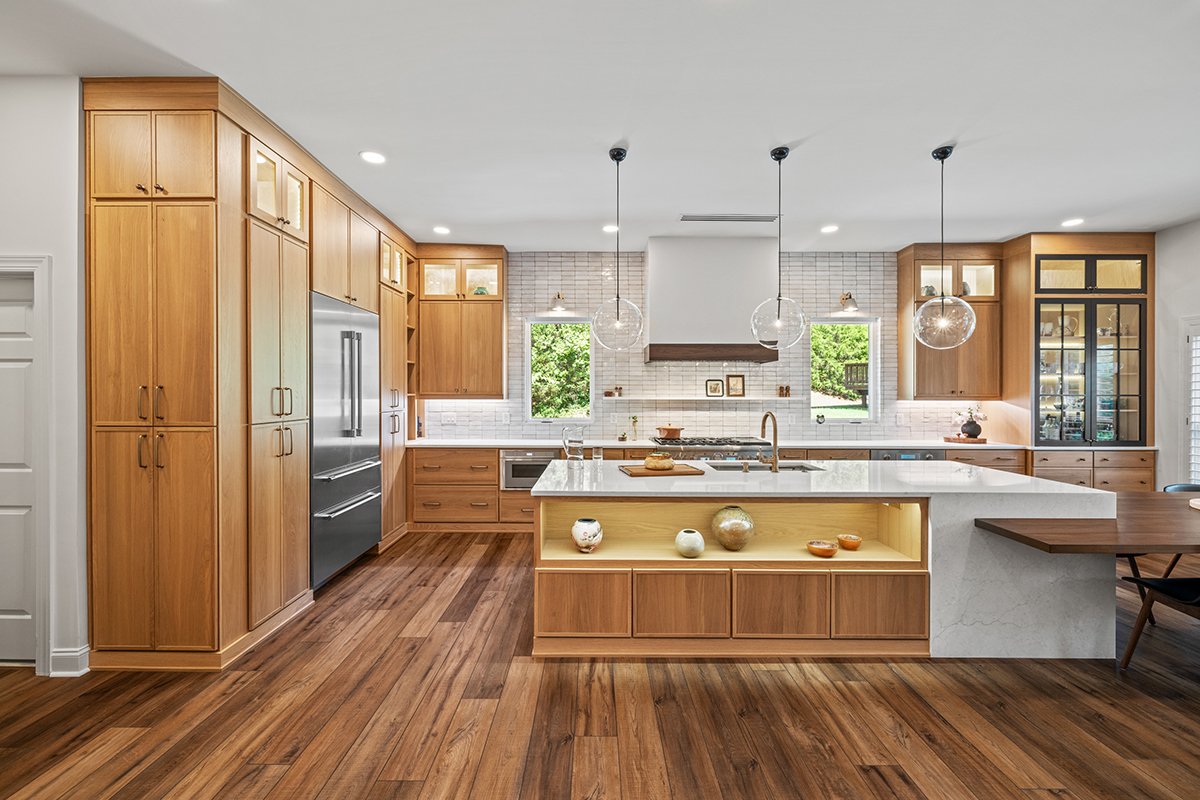
Creating a home music room is an exciting project for musicians and music lovers alike. However, in today’s environmentally conscious world, it’s essential to design this space sustainably. A sustainable music room minimizes energy consumption, reduces waste, and uses eco-friendly materials while maintaining excellent acoustics and functionality. Here’s a comprehensive guide on how to design a sustainable home music room.
1. Choose an Energy-Efficient Location
The first step in designing a sustainable music room is selecting the right location within your home. Ideally, choose a room that:
- Has natural insulation (e.g., basement or interior room) to reduce heating and cooling needs.
- Receives natural light to minimize reliance on artificial lighting during the day.
- Is away from high-traffic areas to prevent sound leakage and the need for excessive soundproofing.
If possible, position the room where temperature fluctuations are minimal, reducing the need for HVAC adjustments.
2. Use Sustainable and Non-Toxic Materials
When building or renovating your music room, opt for eco-friendly materials:
- Flooring: Bamboo, cork, or reclaimed wood are sustainable choices that also enhance acoustics. Avoid synthetic carpets, which can off-gas volatile organic compounds (VOCs).
- Walls: Use low-VOC paints and natural plasters like clay or lime. For soundproofing, consider recycled denim insulation or hemp-based acoustic panels.
- Furniture: Choose second-hand or upcycled furniture. If buying new, look for FSC-certified wood or recycled metal stands.
3. Optimize Acoustics Naturally
Good acoustics are crucial for a music room, but Instead of synthetic foam panels, use sustainable alternatives:
- Wooden diffusers made from reclaimed wood.
- Fabric-wrapped panels with organic cotton or hemp.
- Bookshelves with books as natural sound diffusers.
- Thick curtains made from organic fabrics to absorb excess echo.
These materials improve sound quality while keeping the space eco-friendly.
4. Invest in Energy-Efficient Equipment
Musical instruments and electronics can consume significant energy. To make your setup sustainable:
- Choose energy-efficient amplifiers and speakers (look for ENERGY STAR ratings).
- Use LED lighting for the room instead of incandescent bulbs.
- Unplug devices when not in use to avoid phantom energy drain.
- Consider solar-powered or rechargeable batteries for portable equipment.
For recording setups, opt for energy-efficient audio interfaces and computers with low power consumption.
5. Implement Smart Climate Control
Maintaining a stable temperature and humidity level is essential for protecting instruments. However, traditional HVAC systems can be energy-intensive. Instead:
- Use a programmable thermostat to regulate temperature efficiently.
- Install a dehumidifier with an Energy Star rating if needed.
- Use passive cooling techniques (e.g., cross-ventilation, thermal mass materials) to reduce reliance on air conditioning.
6. Reduce, Reuse, Recycle
A sustainable music room minimizes waste:
- Repurpose old instruments or gear instead of buying new ones.
- Buy used equipment from thrift stores or online marketplaces.
- Recycle broken cables, strings, and electronic waste properly.
- Donate unused instruments to schools or community programs.
7. Incorporate Renewable Energy
If possible, power your music room with renewable energy:
- Install solar panels to offset electricity usage.
- Use a small wind turbine if you live in a windy area.
- Consider a battery storage system to store excess renewable energy.
Even small changes, like using a solar-powered charger for small devices, can make a difference.
8. Maintain a Green Mindset
Sustainability is an ongoing effort. To keep your music room eco-friendly:
- Regularly service instruments to extend their lifespan.
- Clean with non-toxic, biodegradable products.
- Encourage digital sheet music to reduce paper waste.
- Support eco-conscious music brands when purchasing new gear.
Conclusion
Designing a sustainable home music room requires thoughtful planning, but the benefits are worth it. By choosing energy-efficient equipment, eco-friendly materials, and renewable energy sources, you can create a space that sounds great while minimizing environmental impact. Whether you’re a professional musician or a hobbyist, a sustainable music room aligns your passion for music with a commitment to the planet. Start small, make conscious choices, and enjoy making music in a space that’s as green as it is harmonious.
Check these out for related content :
https://newsfuzhou.com/
https://perulive.net/
https://coloradonewstoday.com/
https://naturalimpactcbd.org/
https://cbdhempoilreviews.org/
https://firstpresbyterianastoria.org/
https://cnnnewstoday.com/
https://hempdispensaryhealth.com/
https://organicpurehempoil.com/
https://homewateralkali.com/
https://besharanews.com/
https://ausphreak.com/
https://relaxcbdhemp.com/
https://jungleboyweedtins.com/
https://testedhempoil.com/
https://ukbingopromotions.co.uk/
https://njknews.com/
https://hempdispensaryok.com/
https://ryehomedesign.com/
https://shaktihomestyle.com/
https://sonnah.org/
https://topeducationlounge.com/
https://ecofriendlyideas.net/
https://someinfinity.com/
https://dentalephesus.com/
https://morforyou.com/
https://mccallforall.com/
https://menshealthreview.org/
https://orangecountycahomeinfo.com/
https://nicejunehomewares.com/