A well organized home has the power to transform daily life. It reduces stress, saves time, and creates a sense of balance that supports both productivity and relaxation. In a fast paced world, simplicity in the home is no longer a luxury but a necessity. Even something as routine as exploring biharrtpsservice.com reflects how people seek streamlined systems that make everyday processes easier. The same principle applies to home living, where thoughtful solutions can simplify even the most repetitive tasks.
Designing Spaces With Clear Purpose
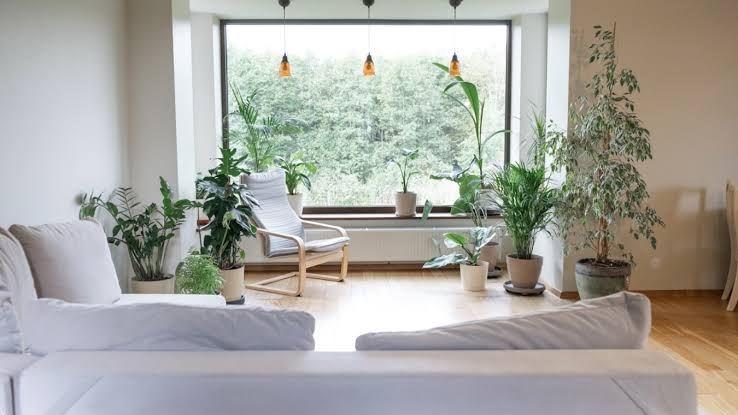
The first step toward simplifying home living is designing each space with a clear purpose. When rooms are defined by how they are used, it becomes easier to maintain order and functionality. A kitchen designed for efficiency, a living room arranged for comfort, and a workspace optimized for focus all contribute to a smoother daily routine.
Clarity in design reduces confusion. You know where things belong and how each space should function. This eliminates unnecessary movement and saves time, making everyday activities more manageable.
Smart Organization For Everyday Efficiency
Organization is at the core of a simplified home. When everything has a designated place, daily tasks become quicker and less stressful. Storage solutions such as shelves, baskets, and compartments help keep items accessible while reducing clutter.
Even small changes can have a big impact. Labeling containers, grouping similar items, and keeping frequently used objects within reach can significantly improve efficiency. These simple strategies ensure that your home works with you rather than against you.

Simplifying Through Digital Integration
Technology plays an important role in modern home living. Digital tools can help manage schedules, automate tasks, and provide easy access to information. When used correctly, technology simplifies rather than complicates daily routines.
For example, engaging with platforms like blooklet join highlights how simple digital systems can improve interaction and efficiency. In the home, similar tools can be used for reminders, task management, and even controlling appliances, making everyday life more convenient.
Minimalism As A Practical Approach
Minimalism is not about removing everything from your home. It is about keeping what truly adds value and eliminating what does not. By reducing excess items, you create a cleaner and more functional environment.
A minimalist approach makes it easier to maintain order. With fewer items to manage, cleaning becomes quicker and decision making becomes simpler. This approach supports a lifestyle that focuses on quality rather than quantity.
Creating Flexible Living Areas
Modern homes benefit from flexibility. Spaces that can adapt to different needs make daily living more efficient. A dining table that doubles as a workspace or a living area that can transform into a relaxation zone adds versatility to your home.
Concepts like make1m often emphasize efficiency and purposeful design. Similarly, flexible living areas ensure that your home can support multiple activities without requiring constant rearrangement.
Emotional Comfort In Home Design
Simplifying a home is not just about physical organization. Emotional comfort is equally important. A space that feels calm and welcoming can reduce stress and improve overall well being.
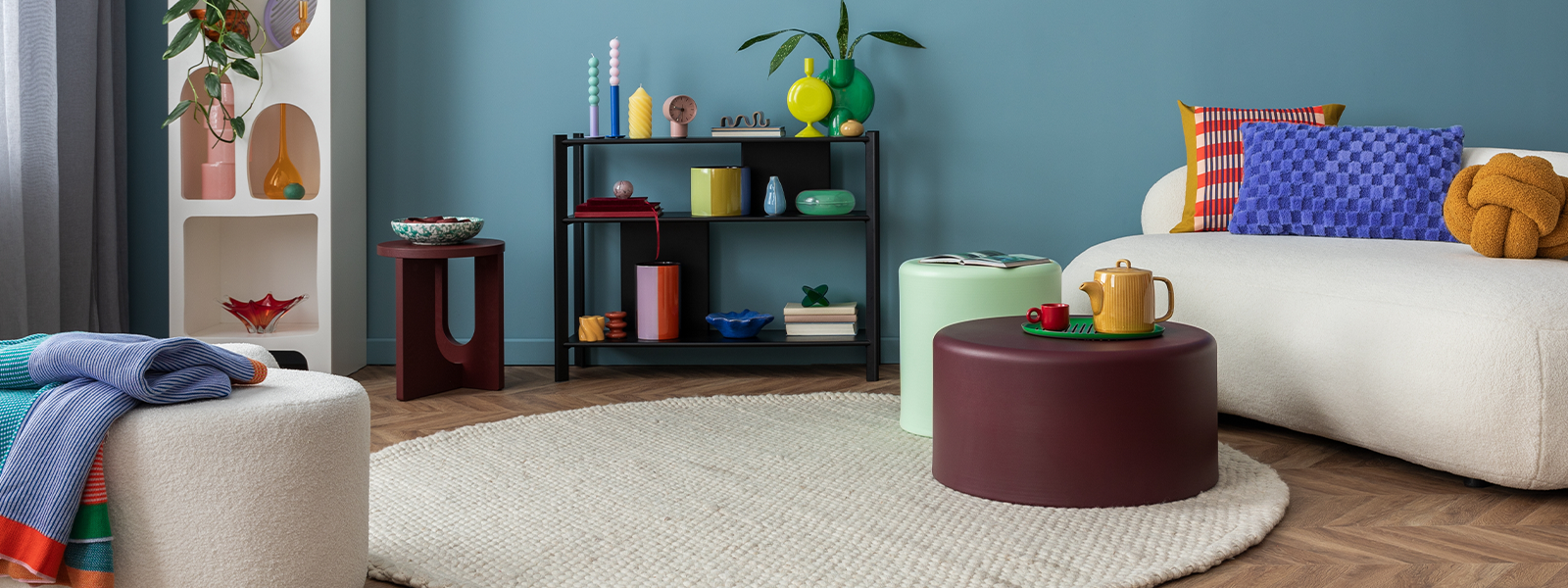
Elements such as soft lighting, comfortable furniture, and meaningful decor contribute to this sense of comfort. Even small additions can create a positive atmosphere that makes daily life more enjoyable.
Learning From Everyday Systems
Many efficient systems outside the home can inspire better organization within it. Observing how structured platforms work can provide ideas for simplifying routines.
For instance, exploring https://theunsentmessageprojects.com/ shows how organized expression and structure can create clarity. In a home setting, similar organization can be applied to tasks, schedules, and spaces, making them easier to manage.
Reducing Time Consuming Tasks
One of the main goals of simplifying home living is reducing the time spent on repetitive tasks. Efficient layouts, organized storage, and smart tools can help achieve this.
Preparing meals becomes easier in a well arranged kitchen. Cleaning takes less time in a clutter free space. Even daily routines like getting ready in the morning become smoother when everything is in its place.
Balancing Function And Aesthetics
While functionality is important, aesthetics should not be ignored. A visually pleasing home can improve mood and create a sense of satisfaction. The key is to balance beauty with practicality.
Choosing designs that are both functional and attractive ensures that your home feels good to live in. This balance makes it easier to maintain the space over time.
Simplifying Entertainment And Leisure
Entertainment and relaxation are essential parts of daily life. Simplifying how you access and enjoy these activities can enhance your overall experience.
Platforms like https://dazcfutbol.org reflect how easy access to content can improve convenience. In the home, organizing entertainment systems and creating dedicated relaxation areas can make leisure time more enjoyable and stress free.
Conclusion
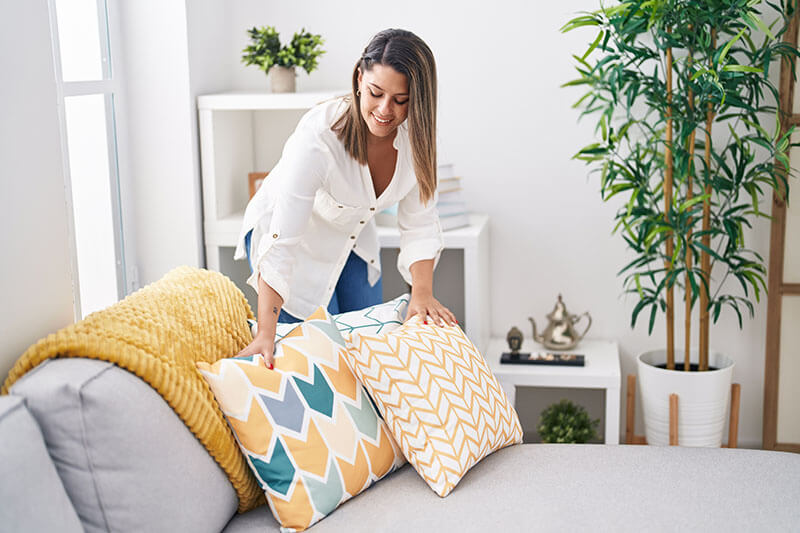
Solutions that simplify daily home living are built on clarity, organization, and intentional design. By creating purposeful spaces, reducing clutter, and using technology wisely, you can transform your home into an environment that supports your lifestyle. Simplification is not about doing less. It is about doing things more efficiently and with greater ease. When your home is designed to work with you, everyday tasks become smoother, and life feels more balanced. In the end, a simplified home is not just about convenience. It is about creating a space where you can live comfortably, focus clearly, and enjoy each day with less effort.