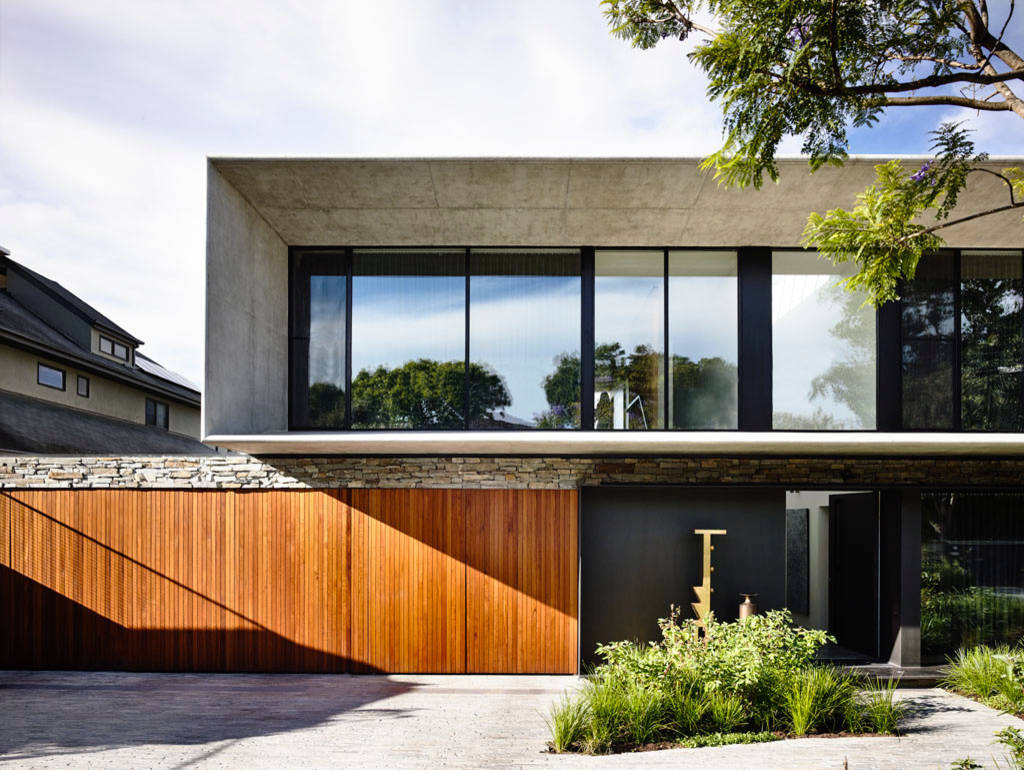
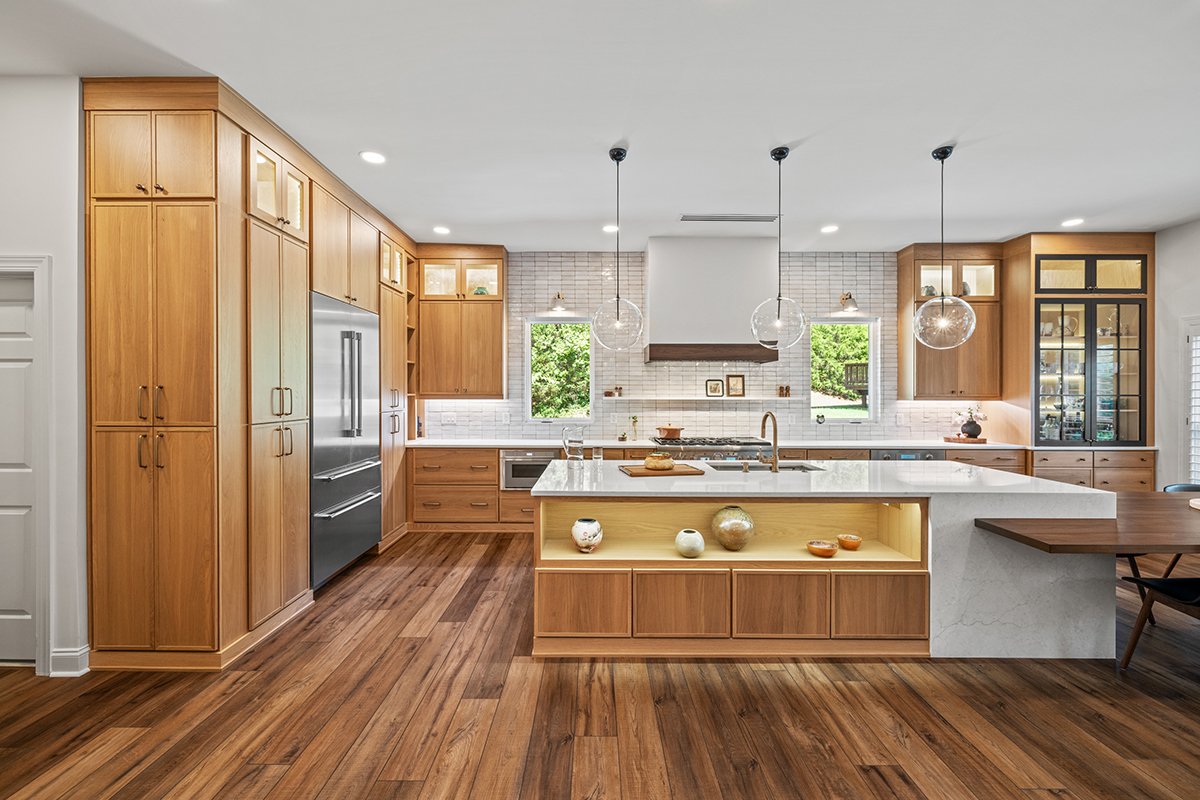
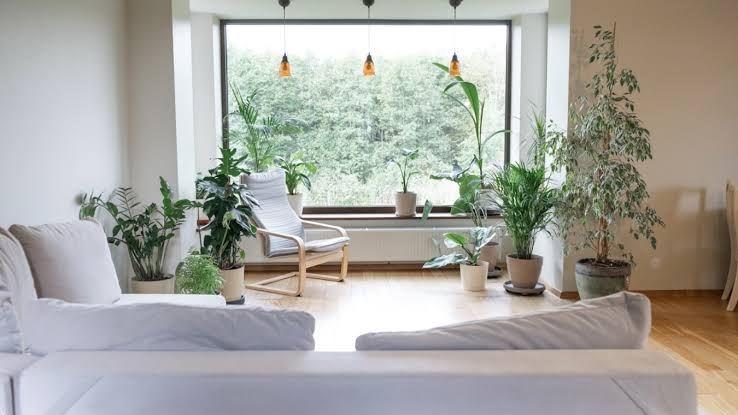
A comfortable home is more than just a place to rest. It is an environment that influences mood, productivity, relationships, and overall well being. Modern lifestyles are often fast paced and stressful, making it increasingly important to create spaces that feel calm, functional, and welcoming. Whether someone lives in a large family house or a compact apartment, thoughtful design choices can transform everyday living into a more enjoyable experience.
Comfortable spaces are not always defined by luxury or expensive décor. Instead, they are shaped by practicality, emotional warmth, and personal connection. From lighting and furniture arrangement to color choices and organization, every detail contributes to how a home feels and functions.
The Importance of Functional Living Spaces
A well organized and functional home can reduce stress and improve daily routines. Cluttered or poorly designed areas often create frustration and make it difficult to relax. On the other hand, thoughtfully planned spaces encourage efficiency and peace of mind.
Modern homeowners are focusing more on layouts that support flexibility. Open living areas, multi purpose furniture, and practical storage solutions help create homes that adapt to changing needs. This approach is also being discussed in online communities connected to write for us business opportunities, where experts share ideas about balancing comfort and functionality in modern lifestyles.
Simple adjustments such as improving natural lighting or rearranging furniture can make a room feel more open and inviting. These small changes often have a significant impact on how people interact with their surroundings every day.

Comfort Through Personalization
One of the most effective ways to improve everyday living is by designing spaces that reflect personal identity. A home should feel authentic to the people who live there. Personalized décor, meaningful artwork, and familiar textures create emotional comfort and help establish a stronger sense of belonging.
Comfort can also come from incorporating elements that support hobbies and interests. Reading corners, indoor plants, creative workspaces, or relaxing outdoor areas provide opportunities for people to recharge mentally and emotionally.
As lifestyle trends continue evolving, professionals involved in startup consulting australia discussions often emphasize the connection between personal environments and productivity. Entrepreneurs and remote workers especially benefit from home spaces that encourage focus while maintaining a sense of comfort.
The Role of Natural Elements in Interior Design
Natural materials and calming color palettes are becoming increasingly popular in modern home design. Wood textures, soft fabrics, and earthy tones help create a relaxing atmosphere that feels timeless and welcoming.
Indoor plants also contribute to healthier and more peaceful environments. They improve visual appeal while helping people feel more connected to nature. Even small additions such as potted herbs or low maintenance greenery can change the mood of a room.
Another growing trend is maximizing natural light. Large windows, mirrors, and light colored walls can make spaces feel brighter and more spacious. These elements help create an uplifting environment that supports emotional well being throughout the day.
Writers contributing to platforms focused on submit guest post news topics frequently discuss how wellness centered home design is becoming a major influence in modern living trends across different countries and cultures.
Creating Spaces for Relaxation and Connection
Comfortable homes encourage stronger relationships by creating spaces where people can spend meaningful time together. Living rooms, dining areas, and outdoor patios often become gathering spaces for conversations and shared experiences.
Technology has also changed how people use their homes. Many households now require areas that support both relaxation and productivity. Quiet workspaces, comfortable seating, and flexible layouts help maintain balance between personal and professional responsibilities.
The increasing demand for thoughtful interior planning has contributed to broader conversations surrounding business growth australia, especially in industries connected to home improvement, furniture, and lifestyle services. Consumers are becoming more intentional about investing in spaces that improve quality of life rather than simply following short term design trends.
Organization as a Source of Comfort
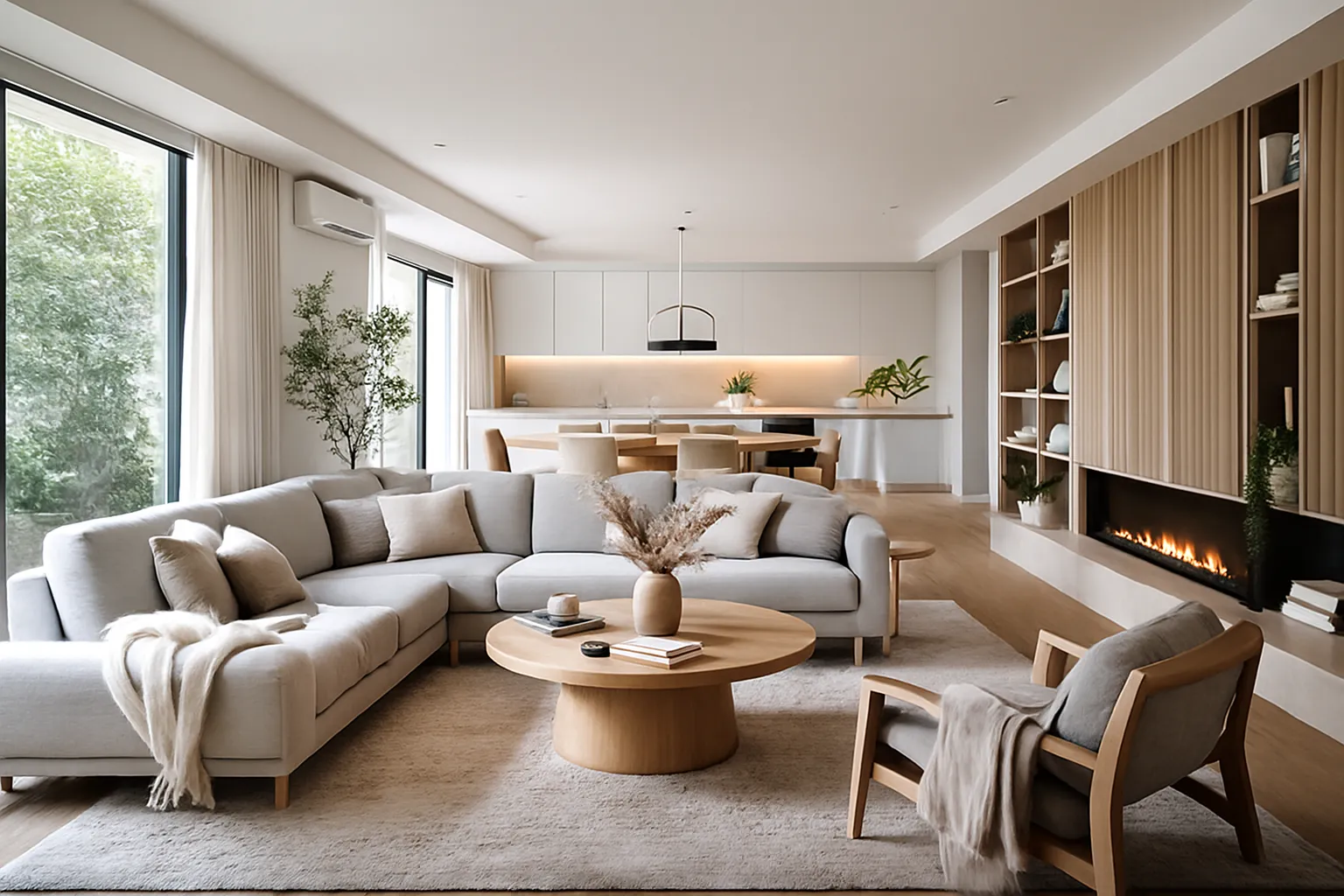
An organized environment creates mental clarity and improves efficiency. Storage solutions such as shelving, hidden compartments, and modular furniture help reduce visual clutter while making homes easier to maintain.
Minimalism has become popular because it encourages people to focus on items that truly add value to their lives. However, comfortable spaces do not need to feel empty or overly structured. The goal is to create balance by keeping environments functional without removing warmth or personality.
Routine maintenance also plays an important role in preserving comfort. Clean and organized homes often feel more peaceful and inviting, making it easier for residents to relax after busy days.
Many lifestyle writers who submit guest post australia business content explore how organization and design choices can influence emotional wellness, productivity, and long term satisfaction in modern households.
The Future of Comfortable Living
The idea of comfort continues evolving as lifestyles and priorities change. Today, people are looking beyond aesthetics and focusing more on emotional well being, flexibility, and sustainability. Homes are becoming places that support mental health, creativity, and stronger personal connections.
Future design trends are likely to emphasize adaptable layouts, eco friendly materials, and technology that enhances convenience without overwhelming living spaces. Comfort will remain at the center of these changes because people increasingly understand the importance of environments that support everyday happiness.
Creating comfortable spaces does not require major renovations or expensive upgrades. Small intentional improvements can significantly change how a home feels and functions. By focusing on functionality, personalization, and emotional balance, anyone can create spaces that improve everyday living and contribute to a healthier, more fulfilling lifestyle.