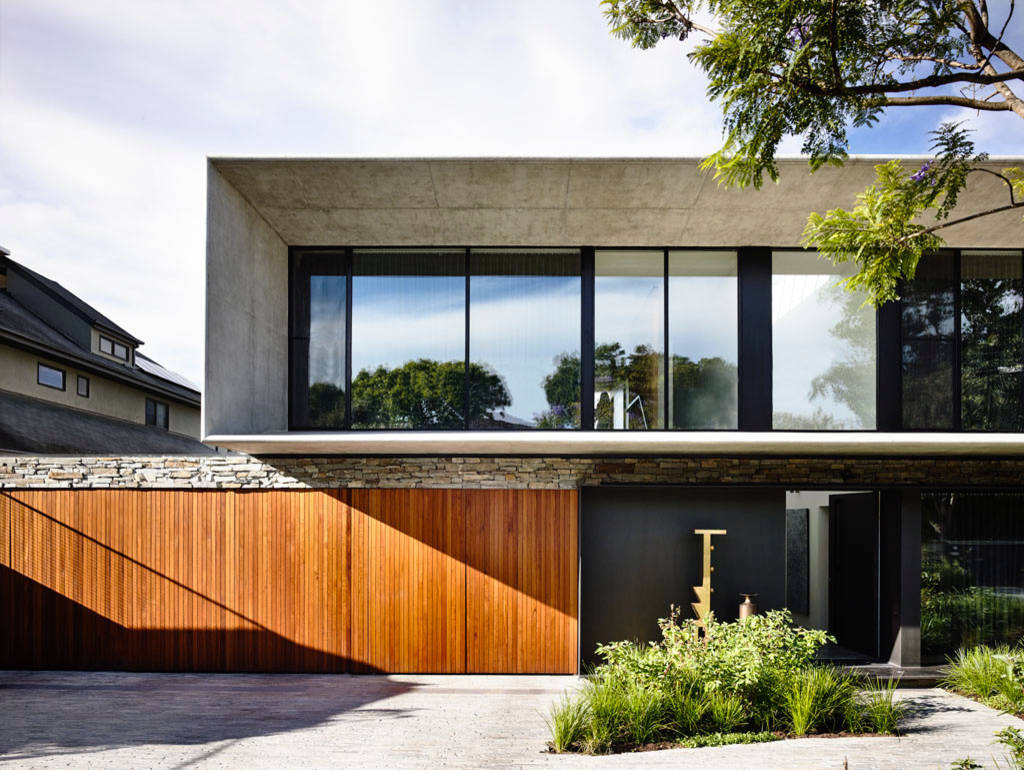
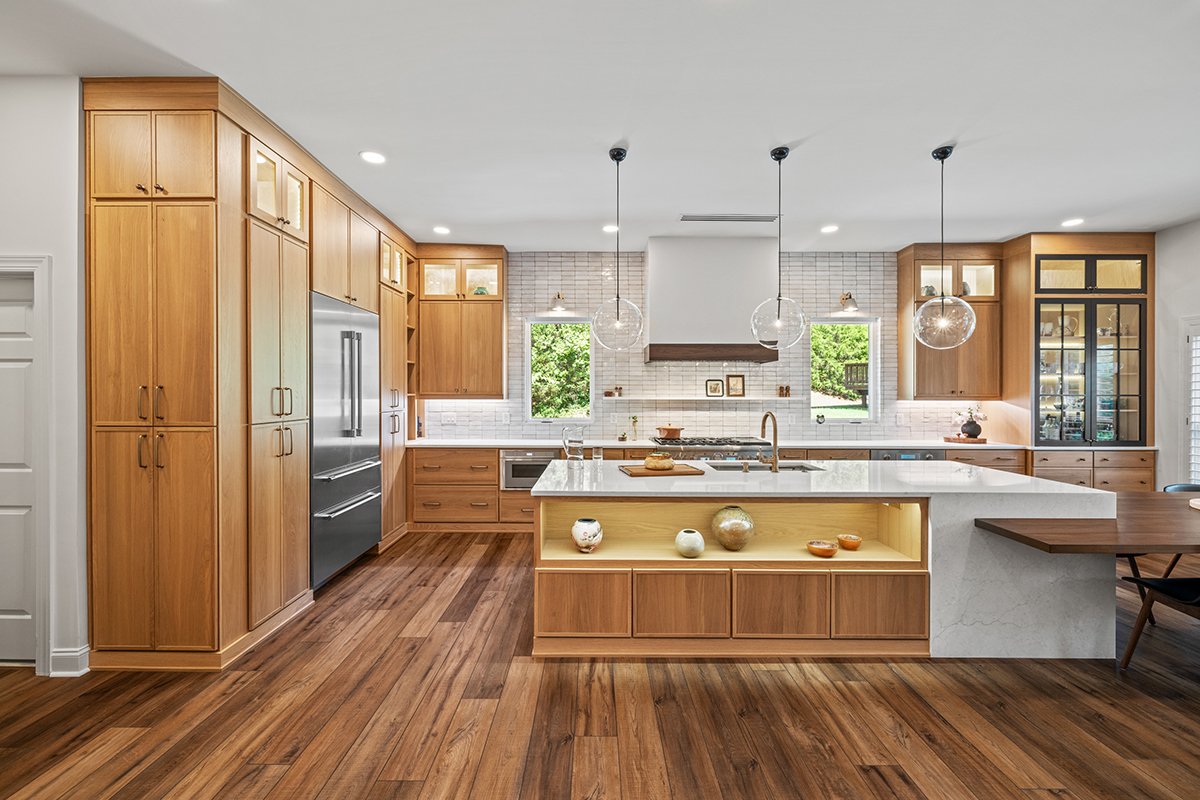
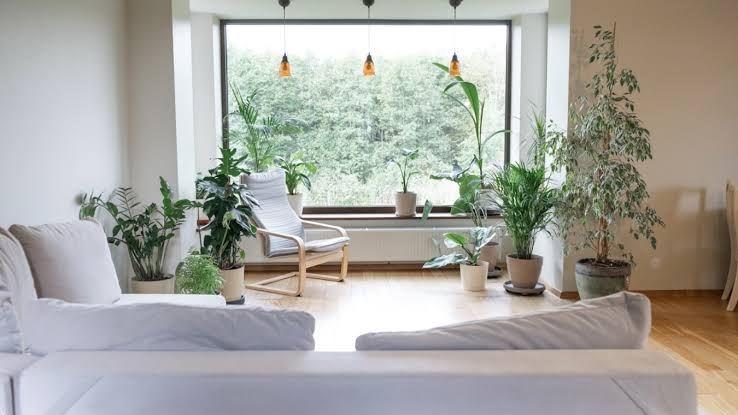
A home is not a static space. It grows, shifts, and adapts along with the people living in it. As lifestyles change due to work, family, and personal priorities, homes must also evolve to remain functional and meaningful. Even something as simple as exploring platforms like sewayojan up nic in reflects how people adjust to new needs and opportunities. Similarly, our living spaces should be designed to support change rather than resist it.
Designing With Flexibility in Mind
One of the most important aspects of an evolving home is flexibility. Spaces should not be limited to a single purpose. A room that serves as a home office today might need to become a guest room or creative space in the future.
Flexible furniture, movable partitions, and multi functional layouts make it easier to adapt without major renovations. This approach ensures that your home continues to meet your needs over time instead of becoming outdated or restrictive.
Blending Function With Personal Expression
As lifestyles change, so do personal tastes and preferences. A home should reflect who you are at different stages of life. This means creating a balance between practicality and personal expression.
Design elements inspired by sources like royalfronthandmehndidesign.org show how intricate patterns and creativity can be incorporated into everyday spaces. Adding personal touches keeps a home feeling fresh and connected to your identity, even as other aspects of life evolve.
Spaces That Support New Routines
Modern lifestyles often require constant adjustment. Remote work, fitness routines, and hobbies have become part of daily life, making it essential for homes to support these activities.
Creating dedicated areas for work, relaxation, and creativity helps maintain balance. Even if space is limited, thoughtful organization can make a significant difference. A small corner designed intentionally can serve a powerful purpose.
The Role of Simplicity in Adaptability
Complex designs can make it harder for a home to evolve. Simplicity, on the other hand, creates a foundation that can easily be adjusted. Neutral colors, minimal clutter, and clean layouts allow for changes without disrupting the overall harmony of the space.
Interactive ideas, like the concept behind a draw a perfect circle game, highlight how simple structures can still offer flexibility and engagement. In home design, simplicity provides the freedom to modify spaces without starting from scratch.
Technology As A Supporting Element
Technology plays a key role in modern homes, but it should enhance adaptability rather than limit it. Smart systems for lighting, temperature, and security can adjust to different routines, making daily life more convenient.
Digital platforms such as anfieldedition.net demonstrate how technology shapes user experiences. In a home, similar principles apply. Technology should blend seamlessly into the environment, supporting changes in lifestyle without becoming overwhelming.

Creating Emotional Continuity
While functionality is important, emotional connection should not be overlooked. A home should continue to feel familiar and comforting even as it evolves. This balance between change and continuity creates a sense of stability.
Keeping certain elements consistent, such as favorite furniture or meaningful decor, helps maintain this connection. These anchors provide comfort while other parts of the home adapt to new needs.
Preparing For Future Needs
Designing for evolving lifestyles also means thinking ahead. Anticipating future changes, such as growing families or shifting work patterns, allows you to create a home that remains relevant over time.
Platforms like sfmcompileclub.net show how planning and preparation can streamline processes. Similarly, a well planned home design considers both present and future requirements, reducing the need for frequent adjustments.
Making Small Changes With Big Impact
Not every change requires a complete redesign. Small adjustments can significantly improve how a space functions. Rearranging furniture, updating lighting, or adding storage solutions can transform a room without major effort.
These small changes keep the home dynamic and responsive. They allow you to adapt quickly to new situations while maintaining the overall structure of your living space.
Conclusion
Homes that evolve are designed with intention, flexibility, and awareness. They recognize that life is constantly changing and that living spaces must adapt accordingly. From flexible layouts and simple designs to thoughtful use of technology, every element contributes to a home that grows with you. By embracing change and planning for the future, you can create a space that remains functional, meaningful, and comfortable. An evolving home is not just about design. It is about creating an environment that supports every stage of life, making it a true reflection of your journey.