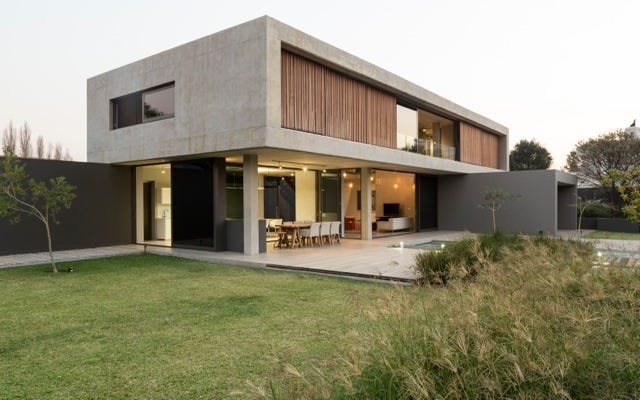
A home is more than a structure made of walls, windows, and a roof. It is a place where families grow, memories are created, and everyday life unfolds. While design trends come and go, the homes that remain valuable and comfortable for decades share one common quality: they are built with longevity in mind. Creating a home that stands the test of time requires thoughtful planning, quality craftsmanship, durable materials, and a focus on functionality rather than short lived trends.
Whether constructing a new property or improving an existing one, every decision made today influences how well the home performs in the future.
Prioritize Strong Foundations Over Quick Results
Every lasting home begins with a solid foundation. Structural integrity affects everything from long term safety to maintenance costs. Investing in quality construction materials, proper drainage systems, and experienced builders reduces the likelihood of costly repairs later.
Equally important is designing a layout that adapts to changing family needs. Flexible living spaces, sufficient storage, and practical room arrangements help homes remain functional even as lifestyles evolve. Homes designed around everyday living tend to remain comfortable and desirable for generations.
Apna Khata Portal Highlights The Importance Of Property Records
Owning a well built home also means maintaining accurate documentation. Digital services such as apna khata portal demonstrate how organized property records contribute to smoother ownership experiences.
Having easy access to ownership information, land records, and related documentation provides confidence during renovations, refinancing, or future property transactions. Well maintained records protect homeowners while simplifying administrative processes whenever important decisions arise.
A durable home is supported not only by strong construction but also by reliable documentation.
Prernaup Reflects The Value Of Long Term Planning
Successful home construction follows the same principle demonstrated by organized digital initiatives like prernaup: thoughtful planning produces better outcomes.
Before construction begins, homeowners should carefully evaluate future requirements rather than focusing only on immediate needs. Planning for growing families, changing work arrangements, or aging in place can influence room layouts, accessibility features, and utility systems.
Forward thinking reduces the need for major renovations while allowing homes to adapt naturally over time.
https://manavsampada.info Shows The Benefits Of Digital Accessibility
Modern homeowners increasingly benefit from digital platforms that simplify access to important information. Resources such as https://manavsampada.info illustrate how organized online systems improve efficiency and convenience.
Similarly, smart home management benefits from keeping digital records of warranties, maintenance schedules, contractor information, and renovation history. Easy access to this information helps homeowners manage repairs, monitor improvements, and preserve the property’s long term value.
Technology becomes most valuable when it supports better organization and informed decision making.
Durable Materials Deliver Long Term Value
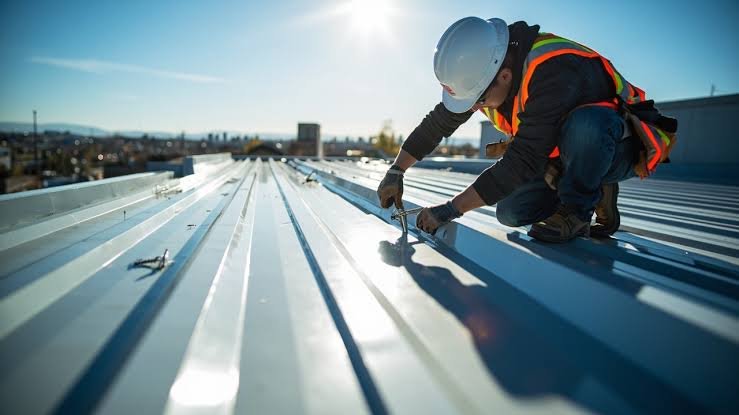
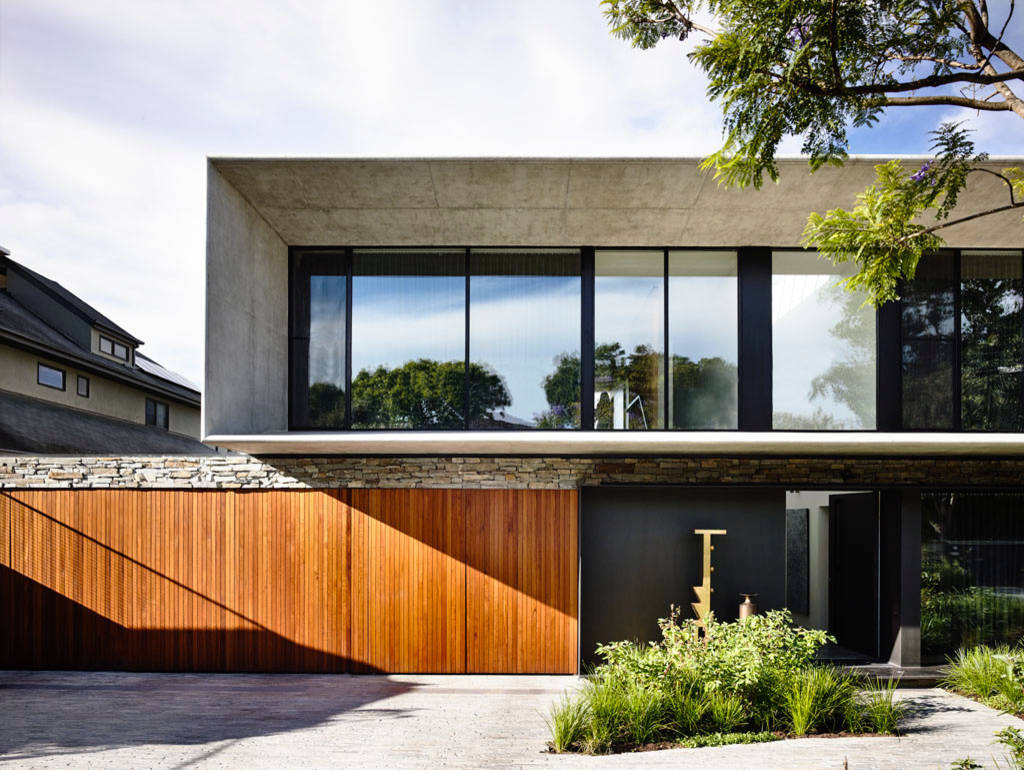
Selecting materials based solely on initial price often leads to higher maintenance expenses over the years. Durable roofing, energy efficient windows, quality flooring, weather resistant exterior finishes, and dependable plumbing systems reduce future repair costs while improving everyday comfort.
High quality materials also preserve a home’s appearance, increasing both resale value and owner satisfaction. Although the initial investment may be greater, lower maintenance requirements frequently offset those costs over the lifetime of the property.
Building for durability is one of the smartest financial decisions homeowners can make.
See Details Before Making Major Home Decisions
Whether reviewing contractor proposals, selecting construction materials, or comparing renovation options, homeowners should always see details before making important commitments.
Carefully reviewing specifications, warranties, estimated maintenance requirements, and project timelines reduces misunderstandings while supporting better purchasing decisions. Attention to detail often prevents expensive mistakes that only become visible years after construction has been completed.
Thoughtful evaluation contributes directly to building homes that remain reliable for decades.
Bhu Naksha Rajasthan Demonstrates The Importance Of Accurate Land Information
Every successful home begins with a clear understanding of the property itself. Digital resources like Bhu Naksha Rajasthan highlight the importance of accurate land information before construction or renovation projects begin.
Understanding plot boundaries, land records, and property details helps homeowners avoid disputes while ensuring that future improvements align with legal requirements. Accurate information also supports better planning for landscaping, drainage, extensions, and utility connections.
Reliable information creates confidence throughout every stage of homeownership.
Design For Efficiency And Comfort
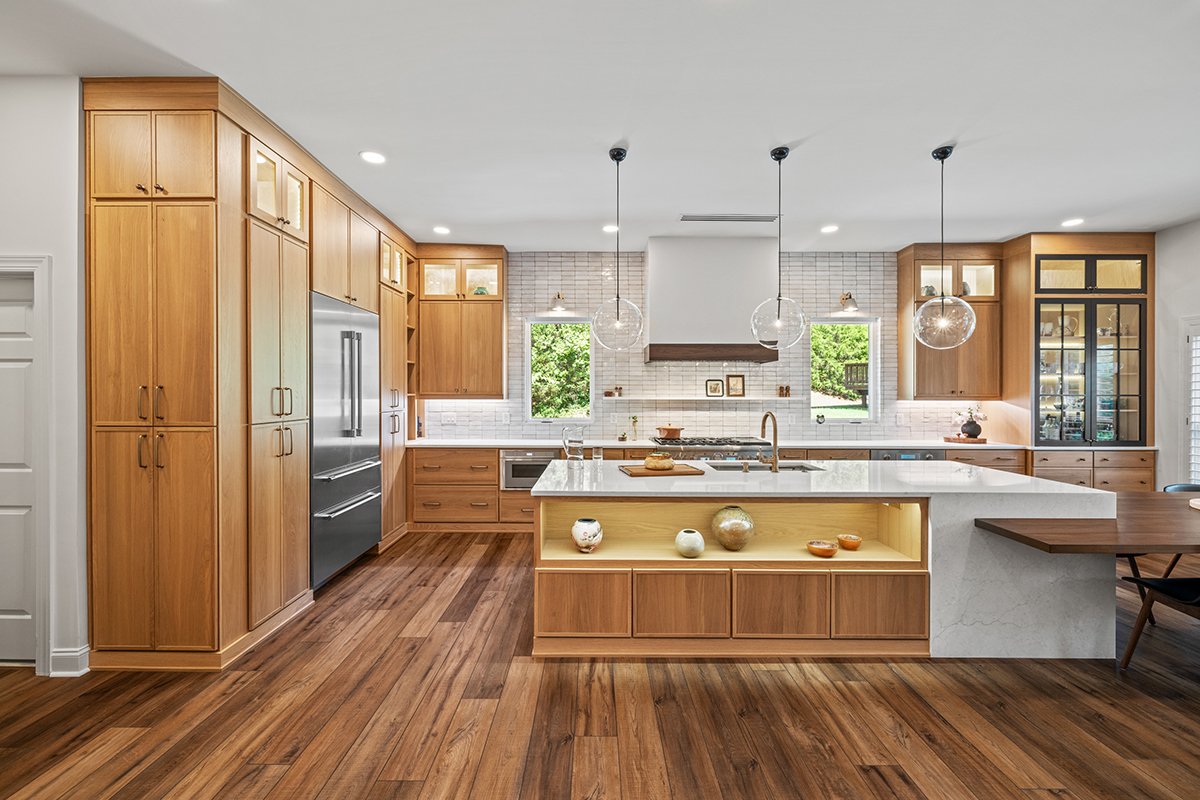
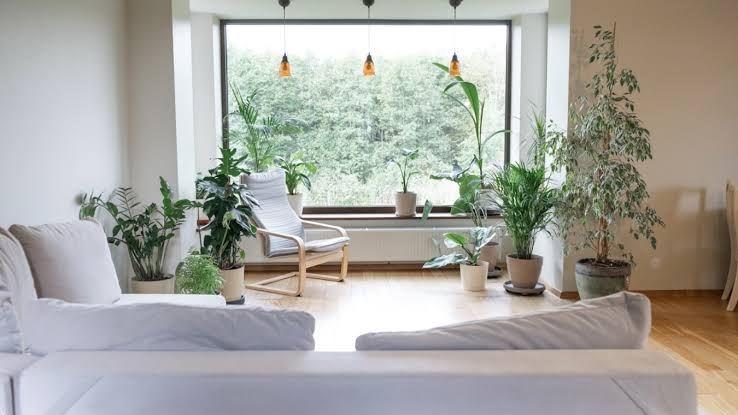
Homes that remain enjoyable for years are designed with efficiency in mind. Natural lighting, proper ventilation, energy efficient insulation, and practical room layouts improve everyday living while reducing long term operating costs.
Smart electrical planning, adequate storage, and flexible multi purpose spaces allow homes to adapt as technology and family needs change. Comfortable homes rarely depend on expensive features alone. Instead, they reflect thoughtful planning that prioritizes usability.
Simple, functional design consistently outperforms complicated layouts that become outdated over time.
Routine Maintenance Protects Long Term Value
Even the strongest homes require regular care. Roof inspections, plumbing maintenance, exterior painting, HVAC servicing, and seasonal landscaping help prevent minor issues from becoming major repairs.
Establishing a maintenance schedule extends the lifespan of building components while preserving both appearance and structural integrity. Preventive maintenance also protects property value, making future sales easier should homeowners decide to move.
Small maintenance efforts completed consistently often save significant repair expenses later.
Conclusion
Building a home that stands the test of time requires more than attractive architecture or modern finishes. It depends on strong construction, thoughtful planning, durable materials, organized documentation, accurate property information, and ongoing maintenance. When homeowners focus on quality rather than short term trends, they create living spaces that continue serving their families comfortably for many years. A lasting home is not simply one that survives the passage of time. It is one that continues providing safety, comfort, efficiency, and value through every stage of life.