A home should do more than look visually appealing. It should support the way people actually live. While many interior design trends focus on style and decoration, the most effective homes are designed around daily habits and routines. When spaces are created with functionality and behavior in mind, everyday tasks become easier, faster, and less stressful.
Designing a home around habits improves efficiency because it reduces unnecessary effort. Instead of constantly adjusting to a space, the space begins supporting the individual’s lifestyle naturally.
The Relationship Between Habits And Environment
Daily habits are strongly influenced by surroundings. The placement of furniture, storage systems, lighting, and workspaces all affect how people move through their routines.
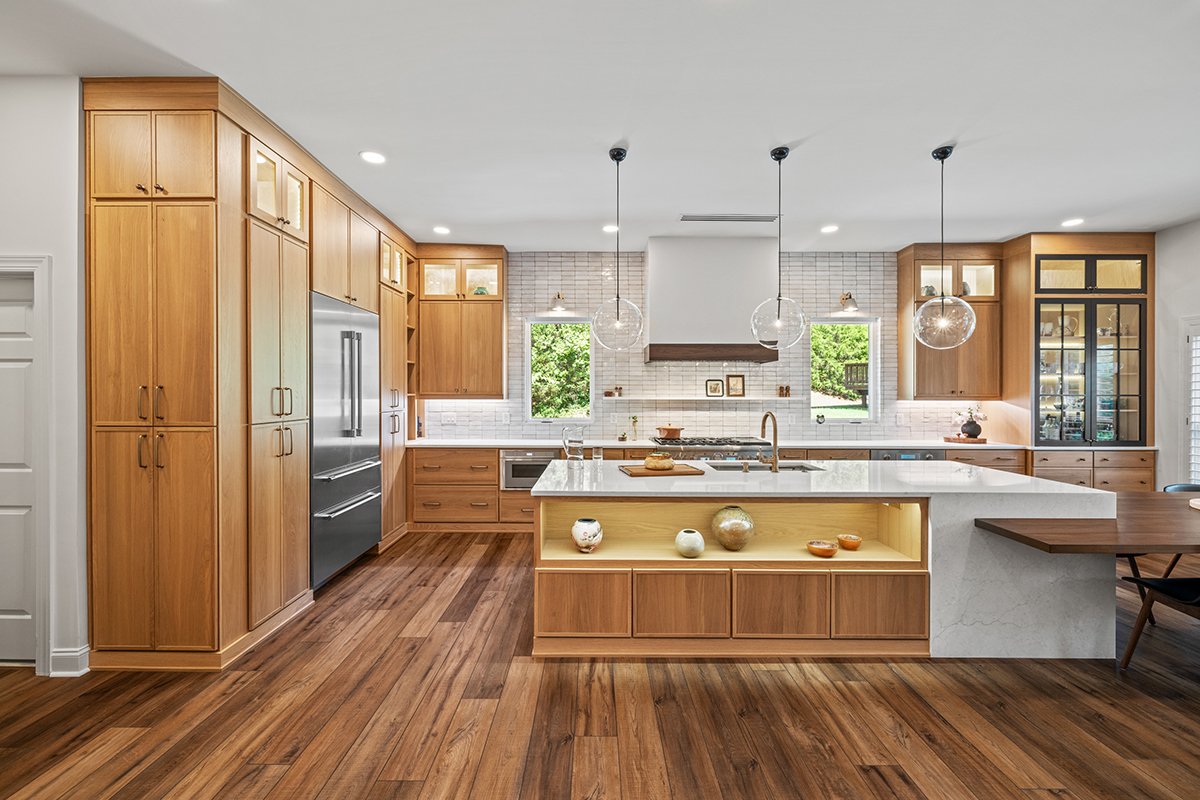
For example, an organized kitchen encourages easier meal preparation, while a clutter free workspace improves focus and productivity. When home design aligns with natural behavior patterns, activities require less mental and physical effort. This creates smoother routines and a more comfortable daily experience.
Inspiration From Celebrity Net Worth Blog
Lifestyle inspiration often appears through platforms like a celebrity net worth blog, where luxurious homes and personalized spaces are frequently showcased. While these homes may seem focused on luxury, many are actually designed around efficiency and convenience.
Successful individuals often structure their environments to support productivity, relaxation, and organization. Features such as dedicated workspaces, simplified layouts, and functional storage solutions are designed to make routines easier. This demonstrates that practical design is just as important as visual appeal.
Smart Living And Ecommerce Trends Australia 2026
The rise of smart home products connected to ecommerce trends Australia 2026 reflects growing interest in convenience driven living. Consumers increasingly seek products that simplify everyday tasks and improve efficiency at home.
Automated lighting, voice controlled devices, and smart organization systems are becoming more common because they align with daily habits. These technologies reduce repetitive tasks and help create smoother routines. As homes become more connected, functionality and convenience continue to shape modern interior design.
Lifestyle Awareness Through Australia News Blog
Conversations in an Australia news blog often highlight changing lifestyle patterns, including remote work, flexible schedules, and increased focus on home environments. These shifts have changed how people use their living spaces.
Homes are no longer viewed only as places for rest. They now function as offices, learning environments, fitness areas, and entertainment spaces. Designing around these habits has become essential for maintaining balance and productivity in everyday life.
Practical Resources From Small Business Directory Australia
Many practical home improvement ideas can come from businesses listed in a small business directory Australia, where local companies provide solutions tailored to modern living needs.
Storage specialists, furniture makers, and interior consultants often focus on functionality as much as appearance. Their services help individuals create environments that support daily routines more effectively. Small improvements such as customized storage or efficient furniture placement can make a significant difference in how smoothly a home operates.
Innovation Through Write For Us Technology Blog
Discussions in a write for us technology blog frequently explore how innovation is changing home design. Technology is no longer limited to entertainment systems or appliances. It is increasingly integrated into everyday living patterns.
Smart home systems can now adjust lighting, temperature, and security automatically based on user habits. These systems learn behavior patterns over time, creating environments that adapt naturally to routines. This blend of technology and lifestyle design makes homes more responsive and efficient.
Reducing Decision Fatigue
One major benefit of habit based home design is the reduction of decision fatigue. When spaces are organized intentionally, people spend less time searching for items or deciding where tasks should happen.
Simple systems such as designated storage areas, functional layouts, and routine based organization reduce unnecessary mental effort. This creates more energy for important activities rather than daily frustration.
Designing For Movement And Flow
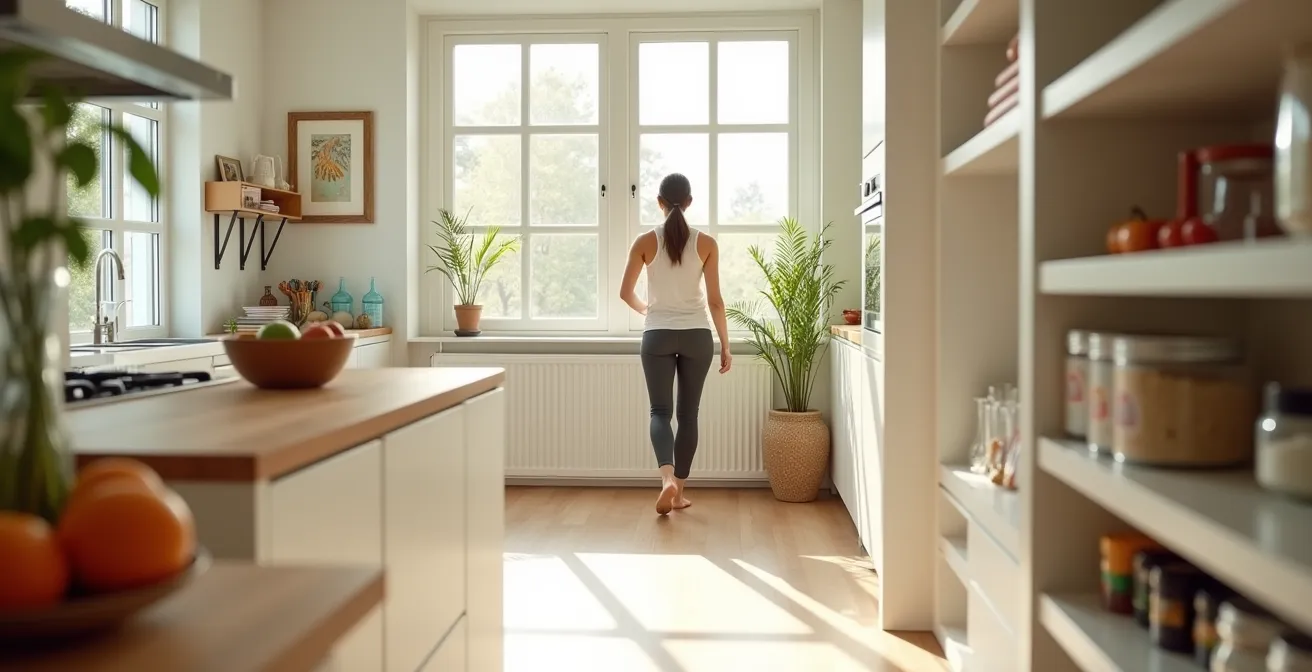
Efficiency in the home is also influenced by movement. Poor layouts can interrupt routines and create unnecessary steps throughout the day. Thoughtful design improves flow by placing related functions close together.
For example, keeping commonly used items within reach or designing open pathways between rooms can save time and reduce stress. These small adjustments improve convenience without requiring major renovations.
The Emotional Impact Of Functional Spaces
A well designed home affects emotional well being as much as efficiency. Cluttered or disorganized environments often create stress and distraction, while functional spaces promote calm and focus.
When homes support habits naturally, people feel more comfortable and in control of their routines. This improves not only productivity but also overall quality of life. The emotional benefits of an efficient home are often just as important as the practical advantages.
Adapting Homes To Changing lifestyles
Habits change over time, and homes should adapt accordingly. A layout that worked years ago may no longer support current routines or priorities. Flexible design allows spaces to evolve with changing lifestyles.
Multi purpose furniture, adaptable workspaces, and modular storage solutions help homes remain functional even as needs shift. This adaptability is becoming increasingly valuable in modern living environments.
Conclusion
Designing a home around habits creates better daily efficiency because it aligns living spaces with the realities of everyday life. Instead of forcing people to adapt constantly to their environment, thoughtful design supports routines naturally and reduces unnecessary effort. From smart technology and functional layouts to organized storage and adaptable spaces, every design choice influences how smoothly daily life operates. A home designed around habits is not only more efficient but also more comfortable, productive, and emotionally supportive. In the end, the most effective homes are not simply beautiful. They are designed to work seamlessly with the people who live in them.