Modern living demands spaces that do more than just look good. Homes today must support productivity, relaxation, and organization all at once. Creating functional spaces without sacrificing style is about blending purpose with personality. Instead of choosing between beauty and usability, thoughtful design allows both to coexist seamlessly.
A well designed space considers how people move, store items, and interact daily. At the same time, it reflects individual taste through colors, textures, and decor elements. When both aspects are aligned, the result is a space that feels natural, efficient, and visually appealing.
Smart Planning for Everyday Use
The foundation of a functional space begins with planning. Every room should have a clear purpose. Whether it is a living room, kitchen, or workspace, defining its primary use helps guide design decisions. Storage solutions, furniture placement, and lighting should all support that purpose.
For example, multi purpose furniture such as foldable desks or storage ottomans can maximize utility without crowding the room. Even small changes like reorganizing shelves or using vertical storage can transform how a space functions.
Interestingly, just as people search for inspiration online like instagram stylish hidden face girl pic, they often discover how small visual details can influence overall design choices. These inspirations can be adapted into real life spaces to maintain both style and function.

Choosing Furniture That Works Hard
Furniture plays a key role in balancing style and functionality. Instead of filling a room with bulky pieces, selecting items that serve multiple purposes is more effective. A sofa with hidden storage or a bed with drawers underneath can reduce clutter while maintaining a sleek appearance.
Minimalist furniture designs are especially helpful because they create a sense of openness. Clean lines and neutral tones allow the space to feel larger and more organized. At the same time, accent pieces such as cushions or rugs can add personality without overwhelming the layout.
Integrating Technology Thoughtfully
Technology has become an essential part of modern homes. Smart lighting, automated systems, and digital tools can enhance convenience without disrupting aesthetics. The key is to integrate these elements subtly.
Understanding tools and platforms such as what is snaptroid used for reflects how digital innovation influences daily life. Similarly, smart home features should be incorporated in a way that supports functionality while remaining visually discreet. Hidden wiring, compact devices, and integrated controls help maintain a clean and stylish environment.
Cultural and Personal Touches
A space truly becomes meaningful when it reflects the personality and cultural background of its occupants. Adding artwork, handcrafted decor, or meaningful objects can make a room feel unique.
For instance, elements inspired by traditions or community programs like पीएम आवास योजना highlight how structured planning and thoughtful design can create comfortable living environments. While the context may differ, the idea of efficient and meaningful space usage remains universal.
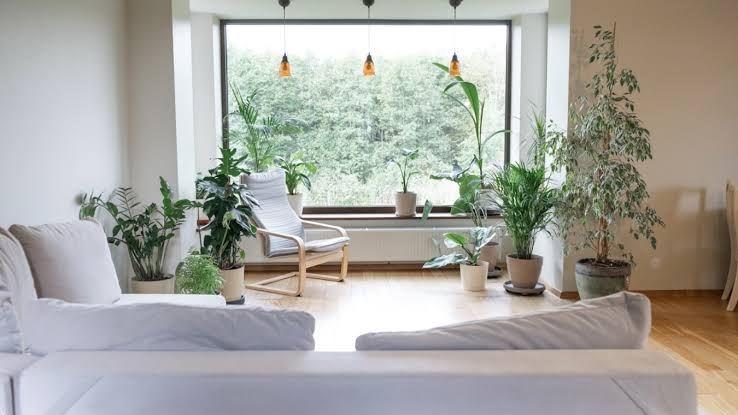
Similarly, adding books, plants, or personal collections can make a space feel lived in and welcoming without compromising its organization.
Organization as a Design Element
Clutter is often the biggest barrier to functional spaces. Effective organization is not just about storage but also about accessibility. Items should be easy to find and return to their place.
Using baskets, organizers, and hidden compartments can keep surfaces clean while maintaining visual appeal. Labels, categorized storage, and consistent arrangements also contribute to a more efficient environment.
Resources like hindibarakhadi.net show how structured systems help simplify learning and organization. The same principle applies to home design, where a structured approach ensures that every item has a purpose and place.
Keeping Style Consistent
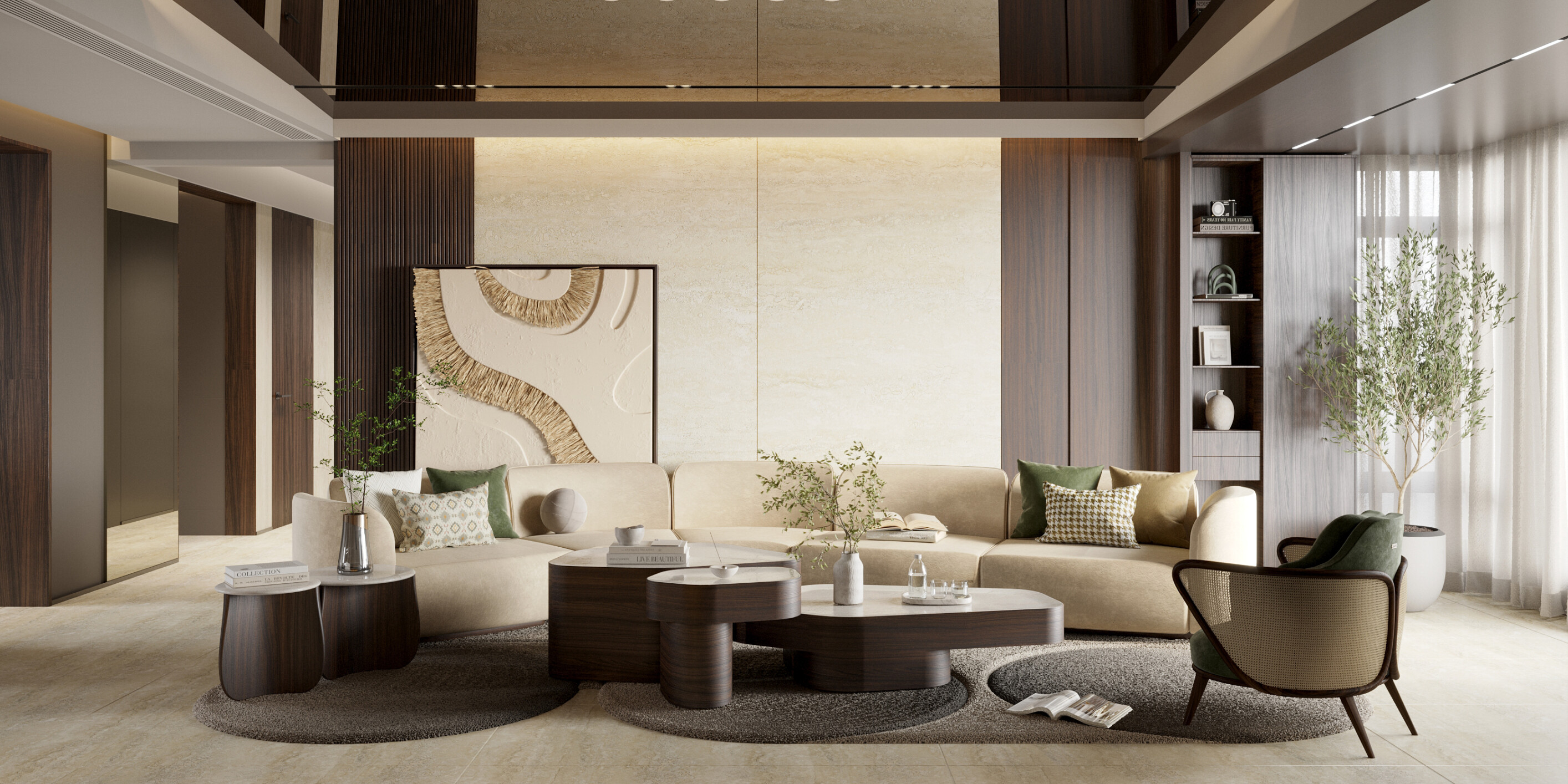
Consistency in design is essential for maintaining a stylish look. This does not mean everything must match perfectly, but there should be a common theme or color palette that ties the space together.
Neutral tones combined with occasional bold accents create a balanced aesthetic. Lighting also plays a major role. Natural light enhances openness, while layered lighting options provide flexibility for different moods and activities.
Even subtle influences such as design philosophies or creative ideas linked to pedrovazpaulo demonstrate how thoughtful execution can elevate both functionality and style. Inspiration can come from various sources, but the key is to adapt it in a way that fits your space.
Adapting Spaces Over Time
A functional space is not static. As needs change, the design should evolve. Flexible layouts and modular furniture make it easier to adapt without requiring a complete redesign.
Seasonal updates, small decor changes, or rearranging furniture can refresh a space while maintaining its core functionality. This adaptability ensures that the space continues to meet practical needs while staying visually appealing.
Conclusion
Creating functional spaces without sacrificing style is about thoughtful design and intentional choices. By focusing on purpose, selecting versatile furniture, integrating technology, and maintaining organization, any space can become both practical and beautiful.
The goal is not perfection but balance. When a space supports daily activities while reflecting personal style, it becomes more than just a place to live. It becomes a space that enhances comfort, efficiency, and overall well being.