One of the best ways to increase a home’s appeal, comfort, and value is to install new wood flooring. Careful planning before the installation starts may make the project much more effective, whether you are upgrading a whole home or just a single room. Homeowners who comprehend the procedure are better able to make selections and take pleasure in long-lasting effects, from choosing the appropriate material to preparing the area.
Select The Appropriate Wood Flooring Type
Choosing the flooring material that best suits your lifestyle is the first choice. Solid hardwood is a great long-term investment since it has a timeless beauty and can be refinished many times. Engineered wood is often appropriate for basements or rooms below ground level and offers more stability in regions with varying humidity.
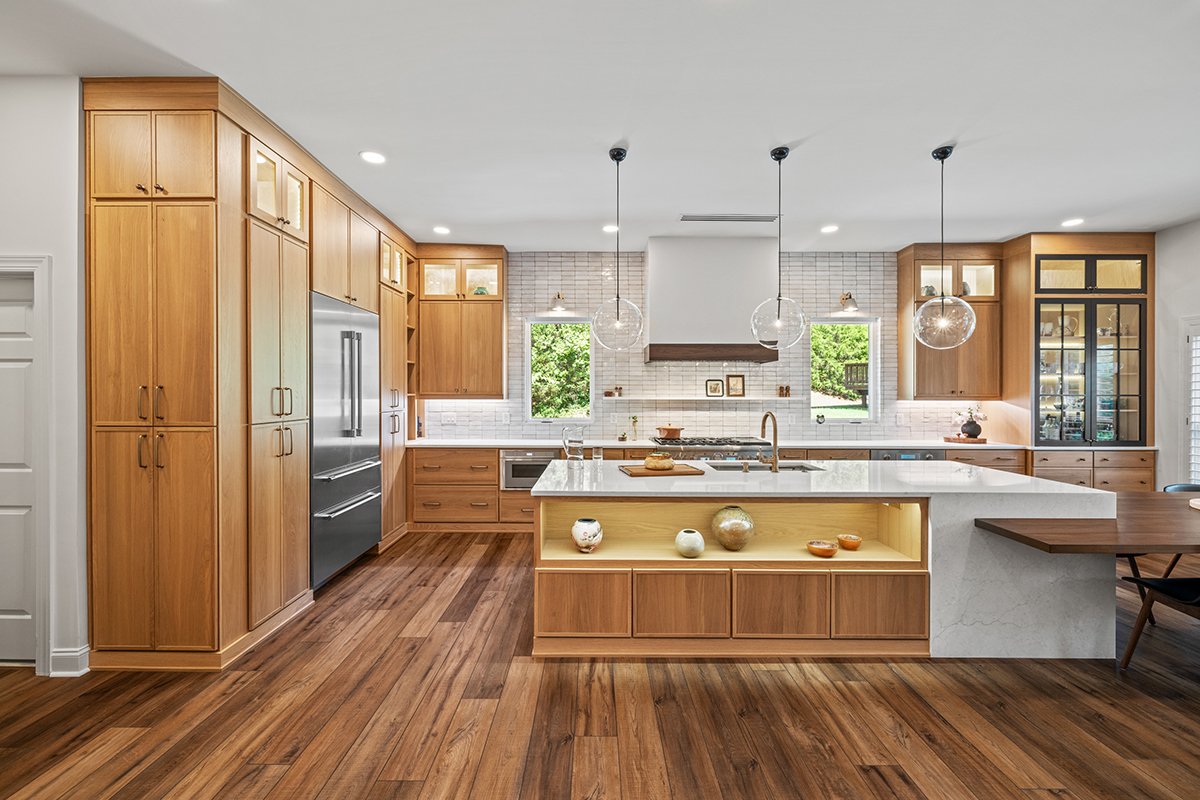
The overall look is also influenced by color, finish, plank width, and grain pattern. Darker tones produce a more refined ambiance, while lighter tints might give the impression that a space is bigger. Selecting a floor that blends in with the style of your house guarantees that the investment will look good for many years.
Recognize The Value Of Expert Installation
Incorrect installation may cause even the best flooring to function poorly. Expert installers are skilled at precisely measuring spaces, setting up subfloors, and managing expansion gaps that let wood adapt to changing seasons.
When looking for wood flooring and installation in Brooklyn, homeowners often find that skilled experts assist in preventing uneven surfaces, creaking boards, and early wear. Expert installation provides a strong base that improves the flooring’s endurance and look.
Examine The Current Subfloor
What’s underlying a polished floor determines how lovely it looks. The current subfloor should be examined for structural problems, uneven surfaces, loose panels, and moisture damage before installation starts.
Ignoring issues might ultimately have an impact on how well the new flooring works. In addition to lowering the possibility of expensive repairs down the road, proper repairs made before installation help establish a sturdy basis that supports the wood for many years.
Get Your House Ready For Installation Day
The installation procedure goes much more smoothly with a little planning. The work area should be cleared of furniture, decorations, and breakable objects. Additionally, homeowners should talk to the installation staff about parking, access locations, and project schedules.
Certain rooms can be temporarily inaccessible, depending on the project’s scale. In order to reduce inconvenience during the installation period, alternate living arrangements should be planned for high-traffic areas.
Think About The Indoor Climate And Moisture
Wood reacts to variations in humidity naturally. While severely dry circumstances may result in shrinkage or tiny spaces between planks, excessive moisture may cause boards to expand.
The look of the floor may be preserved by keeping the interior humidity constant both before and after installation. Before installation starts, a lot of experts advise letting the flooring materials become acclimated to the interior of the house.
Consider More Than Just How You Look
Homeowners should consider long-term upkeep in addition to color and texture. Different coatings demand different cleaning techniques and provide differing degrees of scratch resistance.
Finishes designed to withstand heavier everyday wear may be advantageous for families with kids or pets. Selecting a finish that complements the way of life in your home will save maintenance costs and prolong the flooring’s fresh appearance.
Recognize The Project Schedule
Depending on the size of the house, the kind of flooring, and any necessary subfloor repairs, each installation job has a unique timeline. It takes enough time to remove old flooring, prepare surfaces, install new planks, and apply finishes.
Rushing the procedure often results in needless errors. Before work starts, homeowners should understand each step and have a realistic conversation with their installer.
The Project’s Total Budget
The expense of flooring goes beyond the cost of the wood. The ultimate cost may include underlayment, trim, moisture barriers, previous flooring removal, furniture relocation, and finishing products.
Making a comprehensive budget before construction begins helps in avoiding unforeseen costs. Additionally, it enables homeowners to put quality installation above material prices.
Conclusion
Selecting a beautiful floor is only one aspect of scheduling a wood flooring installation. The final product is influenced by a number of factors, including material selection, subfloor preparation, moisture management, expert craftsmanship, and long-term care. Homeowners are more likely to have flooring that is lovely, long-lasting, and useful for many years if they take the time to comprehend these crucial elements. Thorough planning before installation guarantees that the project runs well and produces a completed area that improves daily life as well as the home’s overall beauty.