A commercial roof has a demanding job. It must protect valuable equipment, employees, inventory, and daily business operations while dealing with changing weather throughout the year. In Denver, these demands can be particularly challenging because commercial buildings may experience snow, hail, strong sunlight, wind, and significant temperature changes.
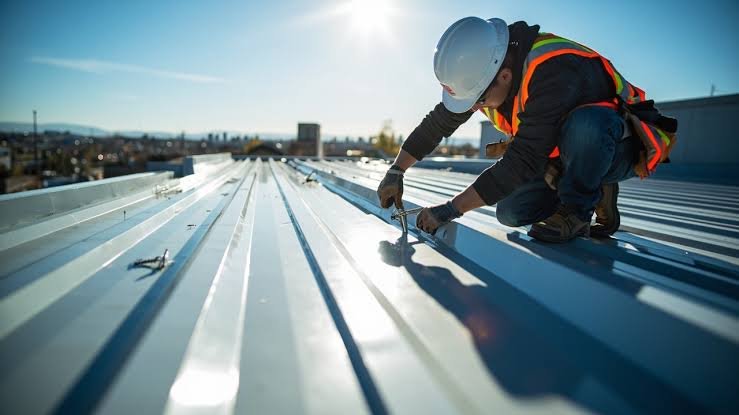
For property owners planning a new roof or considering the replacement of an aging system, metal roofing in Denver can offer an appealing combination of strength, longevity, and dependable performance. Metal systems are used across warehouses, offices, retail properties, industrial facilities, and other commercial buildings where long-term protection is a priority.
Built For Demanding Commercial Environments
Commercial buildings often have large roof areas that remain exposed to the elements every day. A roofing material must therefore provide more than basic coverage. It should be capable of maintaining its structural and protective qualities despite repeated exposure to challenging conditions.
Metal roofing is valued for its strength. Properly selected and installed systems can provide a durable barrier for commercial properties while supporting the practical needs of large buildings. Various metal roofing configurations are available, allowing building owners to choose an option suited to the property’s structure, roof design, and operational requirements.
Strength is especially important when a business wants to reduce the likelihood of roofing problems disrupting normal activities.
Responding To Denver’s Variable Climate
Denver’s climate makes roofing decisions particularly important. Conditions can change considerably between seasons, while temperature fluctuations may also occur within relatively short periods.
A commercial roof can face summer sunlight followed by cold winter conditions, snowfall, wind, and storms. These repeated environmental changes place stress on roofing materials over time.
When properly built, metal roofing systems are designed to withstand thermal movement. This is important because roofing materials naturally expand and contract as temperatures rise and fall. Appropriate installation techniques, fastening systems, flashing, and detailing all contribute to maintaining roof performance through these cycles.
No roofing system is completely immune to severe weather, but choosing durable materials can give commercial property owners a stronger foundation for long-term building protection.
Longevity Can Change The Cost Conversation
Initial installation price is only one part of a commercial roofing decision. Property owners should also consider the expected service life of the roof, maintenance requirements, repair needs, and the possibility of future replacement.
This is where metal roofing can become particularly attractive. Many commercial property owners choose metal because they are looking beyond immediate costs and considering the roof as a long-term building investment.
A durable roof that remains functional for an extended period may reduce the frequency of complete roof replacement. This can be especially valuable for warehouses, manufacturing facilities, and other properties where major roofing projects can interfere with operations.
The actual lifespan of any roof depends on several factors, including material selection, installation quality, exposure conditions, roof design, and ongoing maintenance.
Performance Starts With Proper Installation
Buying a quality roofing material does not automatically guarantee excellent results. Installation plays an equally important role.
Commercial metal roofing requires careful attention to seams, penetrations, drainage areas, edges, flashing, fasteners, and transitions between different sections of the building. Small installation issues can potentially develop into larger problems when exposed to moisture or repeated temperature changes.
The roof should also be designed around the specific building rather than approached as a universal solution. A warehouse may have different requirements from an office complex or retail facility.
Working with experienced commercial roofing professionals allows property owners to evaluate the existing structure and determine which system is appropriate for the building.
Maintenance Still Matters
Durability does not mean a metal roof should be ignored after installation. Routine inspections remain an important part of responsible commercial property management.
Inspections can identify developing concerns around seams, flashing, drainage systems, rooftop equipment, and penetrations before they become more serious. Gutters and drainage areas should also remain clear so water can move away from the roof efficiently.
Checking the roof after major storms can be particularly useful in Denver. Hail, wind, and debris may affect individual roof components even when the overall system remains in good condition.
Preventive maintenance gives building owners an opportunity to address smaller concerns earlier rather than waiting until water intrusion or visible interior damage occurs.
Supporting Long-Term Building Performance
Commercial roofing should ultimately support the property rather than become a recurring operational concern. A well-planned metal roofing system can contribute to dependable protection while giving owners a roofing solution designed around long-term use.
Businesses should consider building design, budget, drainage, weather exposure, maintenance expectations, and installation quality before making a final decision. These factors matter just as much as the roofing material itself.
A Strong Investment For Denver Properties
Commercial metal roofing brings together three qualities that matter greatly to building owners: strength, longevity, and consistent performance. These characteristics can make it a practical option for Denver businesses dealing with demanding seasonal conditions and planning for the future.
The best results begin with careful system selection and professional installation, followed by regular inspections and preventive maintenance. With these elements working together, a commercial metal roof can become much more than a protective surface. It can serve as a long-term component of a property’s overall performance, helping businesses protect their facilities and remain prepared for Denver’s changing conditions.