Creating a playroom for your children is an exciting project, but designing one that is sustainable ensures that it benefits both your family and the planet. A sustainable playroom minimizes waste, uses eco-friendly materials, and promotes a healthy environment for kids to learn and play. Here’s a step-by-step guide to designing a playroom that is fun, functional, and environmentally conscious.
1. Choose Eco-Friendly Materials
The foundation of a sustainable playroom lies in the materials used. Opt for non-toxic, renewable, and recycled materials to reduce environmental impact.
- Flooring: Instead of synthetic carpets (which can emit VOCs), choose natural options like cork, bamboo, or reclaimed wood. These materials are durable, easy to clean, and biodegradable.
- Furniture: Look for furniture made from sustainably sourced wood, recycled plastic, or upcycled materials. Brands like Avocado and EcoKids offer non-toxic, child-friendly options.
- Paints & Finishes: Use low-VOC or zero-VOC paints to ensure good indoor air quality. Brands like ECOS Paints and BioShield provide safe, eco-friendly options.
2. Incorporate Energy-Efficient Lighting
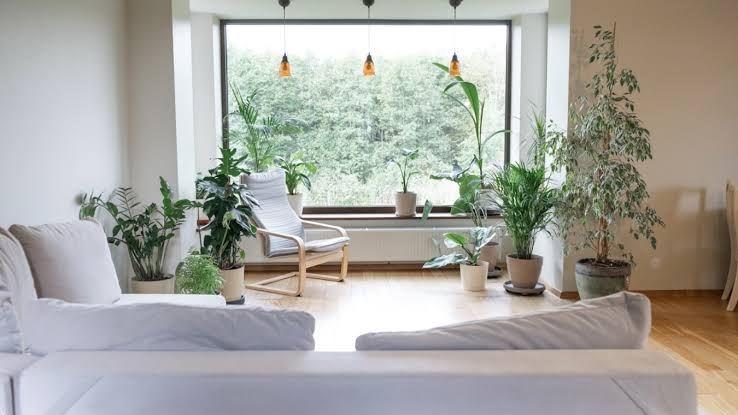
Lighting plays a crucial role in a playroom. Maximize natural light by positioning the play area near windows. For artificial lighting, choose LED bulbs, which consume less energy and last longer than traditional incandescent bulbs.
- Install dimmable lights or smart lighting systems to adjust brightness based on activity (e.g., bright for arts and crafts, soft for reading).
- Use solar-powered or motion-sensor lights to reduce unnecessary energy consumption.
3. Select Sustainable Toys & Storage
Children’s toys often contribute to plastic waste. Opt for sustainable alternatives:
- Wooden Toys: Choose toys made from FSC-certified wood, bamboo, or natural rubber. Brands like PlanToys and Hape offer eco-friendly options.
- Second-Hand & Upcycled Toys: Buying gently used toys from thrift stores or toy libraries reduces waste.
- Storage Solutions: Use woven baskets, recycled plastic bins, or upcycled crates for toy storage instead of single-use plastic containers.
4. Encourage a Minimalist Approach
A clutter-free playroom is easier to maintain and reduces overconsumption.
- Rotate Toys: Instead of overwhelming kids with too many toys, rotate them seasonally to keep the space fresh and engaging.
- Multi-Functional Furniture: Choose items like foldable tables, storage benches, or modular shelves that adapt as your child grows.
5. Add Natural & Biophilic Elements
Connecting children with nature enhances creativity and well-being.
- Indoor Plants: Add child-safe plants like spider plants or Boston ferns to improve air quality.
- Nature-Inspired Decor: Use wooden wall art, organic cotton rugs, and nature-themed murals to create a calming environment.
6. Ensure Proper Insulation & Ventilation
A well-insulated playroom reduces energy waste.
- Use thermal curtains or double-glazed windows to maintain temperature.
- Install an air purifier or keep windows open periodically to ensure fresh airflow, especially if using adhesives or new furniture.
7. Teach Sustainability Through Play
Make the playroom a learning space for eco-conscious habits.
- Include books about nature and recycling.
- Set up a DIY craft station with recycled materials (cardboard, fabric scraps) for creative projects.
- Use chalkboards or whiteboards instead of disposable paper for drawing.
8. Plan for Longevity & Adaptability
Children’s needs change quickly, so design a space that grows with them.
- Choose adjustable shelving and convertible furniture.
- Avoid overly themed designs that may become outdated; opt for neutral, timeless aesthetics.
Final Thoughts
Designing a sustainable playroom is an investment in your child’s future and the planet’s health. By choosing eco-friendly materials, minimizing waste, and fostering a connection with nature, you create a space that is safe, inspiring, and kind to the environment. Start small—swap out plastic toys for wooden ones, repurpose old furniture, and involve your kids in the process. A sustainable playroom isn’t just a room; it’s a lesson in mindful living that children will carry with them for years to come.
Check these out for related content :
https://wordtaps.com/
https://heatheninc.com/
https://vstorekids.com/
https://mundoadministrativo.net/
https://aguidetravel.com/
https://onlinebuymarijuana.com/
https://tnanews.net/
https://janewashere.co.uk/
https://hotelsinvalencia.org/
https://topholidays.net/
https://zbusoft.com/
https://triltechnology.net/
https://homelessinformation.com/
https://cadhomeplan.com/
https://marcospitbullhome.com/
https://polynews.org/
https://healthylivingindia.org/
https://thenewstime.net/
https://promopoker.net/
https://refinance-student-loans.org/
https://cityp.org/
https://oldpathshomesteading.com/
https://newsetmoto.com/
https://aboutfinancetoday.com/
https://homesandbenefits.com/
https://geotheatre.org/
https://firstpresbyterianpreparatoryschool.org/
https://homesbyelva.com/
https://askdrhealth.com/
https://thefashionstyle.org/