A reading alcove offers a peaceful retreat within the home—a dedicated space to unwind with a book, free from distractions. But in an era of environmental awareness, creating this personal sanctuary sustainably ensures it aligns with eco-conscious living. By thoughtfully selecting materials, optimizing natural elements, and incorporating energy-efficient solutions, you can design a reading nook that is both comfortable and kind to the planet.
Choosing the Right Location
The foundation of a sustainable reading alcove begins with its placement. Ideally, position it near a natural light source—a window with ample daylight reduces the need for artificial lighting during daytime hours. North-facing windows provide soft, diffused light that minimizes glare, while south-facing ones offer brighter illumination. If possible, avoid areas near high-traffic zones or noisy appliances to maintain tranquility without relying on energy-consuming soundproofing solutions.
For those in smaller homes, repurposing an underutilized corner or an awkward nook under the stairs can maximize space efficiency without requiring additional construction. This approach minimizes material waste and preserves the existing structure of your home.
Sustainable Materials for Comfort and Style
When selecting furniture and finishes, prioritize eco-friendly materials that are durable, non-toxic, and responsibly sourced.
- Seating: Opt for chairs or benches made from reclaimed wood, FSC-certified timber, or bamboo—a fast-growing, renewable resource. Look for cushions filled with natural latex, organic cotton, or recycled fibers instead of synthetic foams.
- Flooring: If adding a rug, choose one made from jute, wool, or recycled fabrics. These materials are biodegradable and free from harmful chemicals often found in synthetic alternatives.
- Shelving: Floating shelves crafted from reclaimed wood or recycled metal provide storage without the bulk of traditional bookcases. For a minimalist touch, consider upcycled crates or repurposed ladders as book displays.
Energy-Efficient Lighting
While natural light is ideal, evenings and cloudy days call for supplemental lighting. Choose LED bulbs, which consume significantly less energy than incandescent options and last longer. For a warm, inviting glow, select fixtures made from sustainable materials like bamboo, recycled glass, or metal.
Consider installing a dimmer switch or a smart bulb that adjusts brightness based on the time of day. Task lighting, such as an adjustable floor lamp with an energy-efficient bulb, ensures focused illumination without overlighting the entire space.
Climate Control Through Passive Design
A comfortable reading nook should maintain a pleasant temperature without excessive energy use. If your alcove is near a window, use thermal curtains or insulated blinds to regulate heat in winter and block excessive sunlight in summer. This passive approach reduces reliance on heating and cooling systems.
For added comfort, place your seating away from drafts or heat sources. A sustainably sourced wool throw or organic linen blanket can provide warmth during colder months without turning up the thermostat.
Greenery for Improved Air Quality
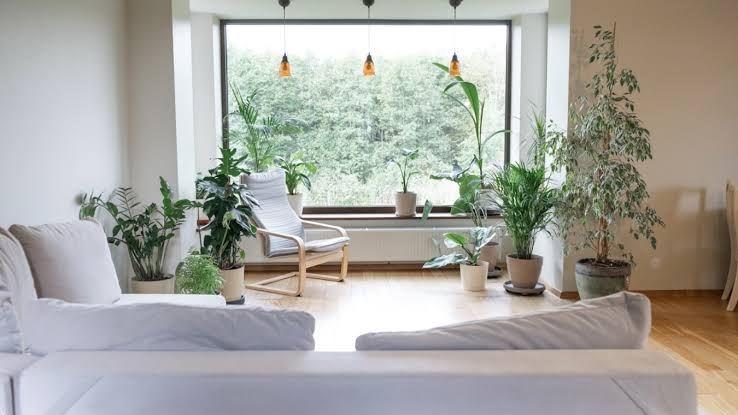
Incorporating indoor plants enhances both aesthetics and air quality. Low-maintenance options like snake plants, pothos, or peace lilies act as natural air purifiers, removing toxins and increasing oxygen levels. Use terracotta or recycled ceramic pots instead of plastic planters for an eco-friendly touch.
If space allows, a small vertical garden with herbs or trailing plants can add a refreshing, biophilic element to your reading corner.
Mindful Decor and Personal Touches
A sustainable reading nook should reflect your personality without unnecessary consumption.
- Art & Wall Decor: Frame prints or posters using recycled materials, or create your own artwork with natural dyes.
- Books: Support sustainability by purchasing secondhand books, borrowing from libraries, or opting for digital versions when possible.
- Textiles: Choose organic cotton, hemp, or linen for curtains and pillow covers—materials that are breathable and biodegradable.
Minimalism and Longevity
A clutter-free alcove promotes focus and relaxation. Instead of filling the space with decorative items, select a few meaningful pieces that enhance the atmosphere. Invest in timeless, high-quality furniture that won’t need frequent replacement, reducing long-term waste.
Final Thoughts
Designing a sustainable reading alcove is about balancing comfort, functionality, and environmental responsibility. By choosing natural materials, optimizing light and temperature, and embracing mindful consumption, you can create a serene escape that aligns with eco-friendly values. Whether it’s a cozy window seat or a tucked-away corner, this personal retreat will serve as a testament to sustainable living—one page at a time.
Check these out for related content :
https://c2bir.org/
https://seabreezetinyhomes.com/
https://lidolimarangi.it/
https://situspokerbagus.com/
https://mvcfashionn.com/
https://informagiovanicirie.net/
https://ebrain-news.com/
https://cbdisolateherms.com/
https://cbdcrowdfund.com/
https://pokernews.info/
https://rospedia.com/
https://avataresyfirmas.com/
https://onvd.org/
https://thinkingcreatively.org/
https://tvoicelessons.com/
https://halfashoestring.com/
https://ipsecurityforum.it/
https://visitandrun.com/
https://iraq-live.com/
https://fashioncn.org/
https://healthcareforgunner.com/
https://lookoff.co/
https://free-download-casino.com/
https://freshamericannews.com/
https://steelvalleyarts.org/
https://homeinsuredbyus.com/
https://marijuanadispensarynearmeshop.com/
https://simsoncasino.com/
https://fvtlaw.net/
https://atlanticcwm.com/