In the age of remote work and virtual learning, having a designated study space at home is no longer a luxury—it’s a necessity. However, creating this space sustainably is both a responsibility and an opportunity. A well-designed sustainable home study alcove not only reduces your environmental impact but also promotes health, productivity, and long-term cost savings. Here’s how to create a beautiful, eco-conscious space that supports your work or studies while protecting the planet.
Choosing the Right Location
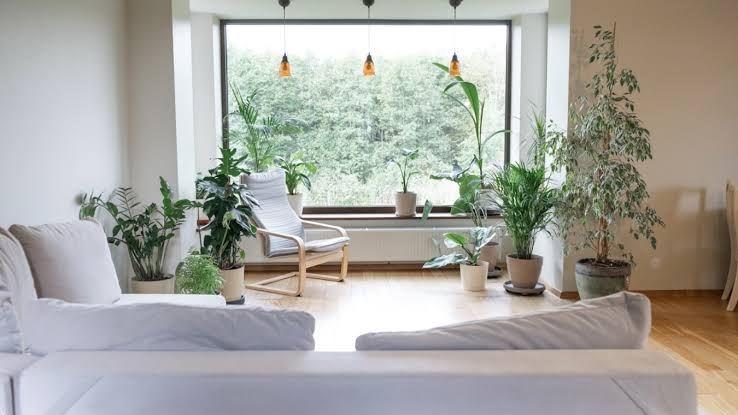
Begin by identifying an underutilized or quiet corner of your home. Ideally, this space should receive ample natural light to reduce the need for artificial lighting during the day. A corner near a window is perfect, as it can provide not just light, but also a psychological boost—natural views are proven to reduce stress and increase focus. Avoid areas close to high-traffic zones or noisy rooms, as they can disrupt concentration and reduce the functionality of your study alcove.
Eco-Friendly Materials and Finishes
When it comes to building or furnishing your alcove, opt for sustainable materials. Bamboo, reclaimed wood, recycled metal, or FSC-certified wood are all excellent choices for desks and shelving. Avoid materials that contain VOCs (volatile organic compounds), such as certain paints, adhesives, and finishes, which can pollute your indoor air and harm your health. Instead, choose water-based, low-VOC paints and finishes that are better for you and the environment.
Additionally, consider repurposing existing furniture. An old table can become a desk, or unused shelves can be mounted to save space. This approach not only saves money but also diverts usable items from landfills.
Energy Efficiency and Lighting
Lighting plays a crucial role in productivity and sustainability. Maximize the use of natural daylight to reduce reliance on electricity. Position your desk perpendicular to a window to avoid glare on your screen. When artificial lighting is needed, choose energy-efficient LED bulbs, preferably with adjustable brightness and color temperature to suit different tasks and times of day.
For added sustainability, install smart lighting controls or use lamps with timers or motion sensors. These simple technologies can significantly cut down on unnecessary energy use.
Sustainable Ergonomics
Creating a comfortable and healthy workstation is vital for long-term use. Opt for ergonomic chairs made from recycled or sustainable materials. Look for certifications like GREENGUARD or BIFMA level, which ensure that products meet environmental and health standards. Your desk should also be at an appropriate height to support good posture, and consider adding a footrest or standing desk option if possible.
Don’t forget about air quality. Houseplants like snake plants, peace lilies, or pothos not only enhance the aesthetic of your alcove but also help purify the air naturally. Choose low-maintenance, non-toxic plants to keep your study environment fresh and healthy.
Smart Organization with a Minimalist Mindset
Keep your study alcove tidy and clutter-free to support mental clarity. Use recycled or sustainably made organizers—such as cardboard file holders, bamboo drawer dividers, or upcycled jars—for storage. Embrace a minimalist approach by keeping only what you truly need in your workspace. This not only makes the space easier to maintain but also reduces unnecessary consumption and waste.
Incorporating digital tools for note-taking, planning, and storage can also minimize your reliance on paper and physical materials. By digitizing your workflow, you help reduce deforestation and lower your carbon footprint.
Final Thoughts
Designing a sustainable home study alcove is about making thoughtful, eco-conscious choices that enhance your lifestyle without compromising the environment. From selecting low-impact materials and energy-saving technologies to creating a calming, organized, and ergonomic layout, each decision contributes to a greener and healthier future. Sustainability doesn’t mean sacrificing style or comfort—it means aligning your living space with values that support both personal well-being and the planet.
Find more insights in these resources :
https://nagercoilhomechurch.com
https://mexicobreakingnews.com
https://fivestarhomeventures.com
https://hydroponichomemade.com
https://thcmarketingsettlementclaim.com
https://cbdnaturallifestyles.com
https://successlookslikeyou.co.uk