Creating a sustainable home yoga studio is not just about having a dedicated space for practice but also about ensuring that the space aligns with eco-friendly principles. A well-designed yoga studio at home can enhance your practice while minimizing your environmental footprint. Here’s a comprehensive guide to designing a sustainable home yoga studio that promotes wellness for both you and the planet.
Choosing the Right Space
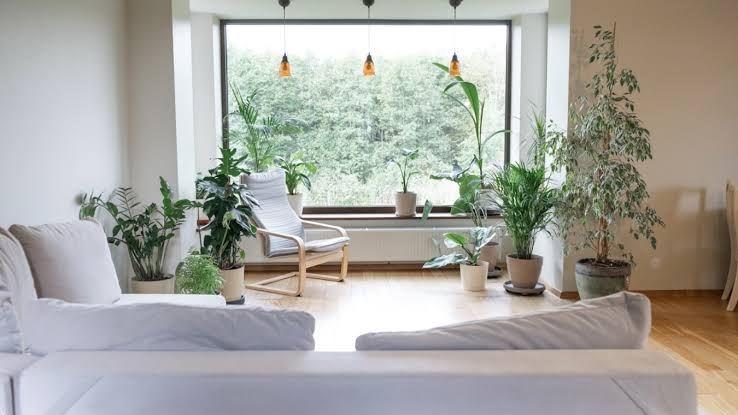
The first step in designing a sustainable home yoga studio is selecting the right space. Ideally, choose a room with ample natural light to reduce the need for artificial lighting during the day. A space with good ventilation will ensure fresh air circulation, reducing reliance on air conditioning or fans. If possible, opt for a quiet area away from distractions to create a peaceful environment. Repurposing an underutilized room, such as a spare bedroom or attic, is a sustainable choice as it avoids the need for additional construction.
Eco-Friendly Flooring Options
Flooring plays a crucial role in a yoga studio, providing comfort and support during practice. Sustainable flooring options include bamboo, cork, or reclaimed wood, which are renewable and environmentally friendly. Bamboo grows quickly, making it a highly sustainable material, while cork is harvested without harming the tree. If you prefer a softer surface, consider natural rubber or jute mats, which are biodegradable and non-toxic. Avoid synthetic carpets or vinyl flooring, as they often contain harmful chemicals and are not eco-friendly.
Sustainable Décor and Furnishings
When decorating your yoga studio, opt for sustainable and non-toxic materials. Use low-VOC (volatile organic compounds) paints for walls to ensure better indoor air quality. Decorate with plants that purify the air, such as snake plants, peace lilies, or aloe vera. For seating or storage, choose furniture made from reclaimed wood or bamboo. Avoid plastic-based décor and instead incorporate natural elements like cotton, hemp, or wool for cushions, curtains, and rugs.
Energy-Efficient Lighting
Lighting sets the mood for your yoga practice while impacting energy consumption. Maximize natural light by using sheer curtains or blinds that allow sunlight to filter in. For evening practices, install LED bulbs, which are energy-efficient and long-lasting. Consider adding dimmer switches to adjust lighting intensity according to your needs. Solar-powered lamps or candles made from soy or beeswax can also create a calming ambiance without harming the environment.
Mindful Temperature Control
Maintaining a comfortable temperature in your yoga studio is essential, but it should be done sustainably. If possible, rely on passive heating and cooling methods, such as proper insulation and cross-ventilation. Use a programmable thermostat to regulate heating or cooling only when the studio is in use. In colder climates, a small space heater with an energy-saving mode can be efficient. For cooling, ceiling fans or portable fans with low energy consumption are better alternatives to air conditioning.
Sustainable Yoga Props
Yoga props like mats, blocks, and straps should be made from eco-friendly materials. Look for yoga mats made from natural rubber, cork, or jute instead of PVC, which is harmful to the environment. Blocks can be made from bamboo or recycled foam, while straps can be crafted from organic cotton or hemp. Investing in high-quality, durable props reduces waste over time, as they won’t need frequent replacement.
Reducing Waste and Clutter
A sustainable yoga studio should promote minimalism and reduce waste. Avoid unnecessary purchases and focus on essential items only. Store props neatly in woven baskets or wooden shelves to keep the space organized. Use reusable water bottles and towels instead of disposable items. If you burn incense or use essential oils, choose natural, chemical-free options and avoid excessive packaging.
Incorporating Nature and Mindfulness
Finally, a sustainable yoga studio should connect you with nature. Open windows to let in fresh air and natural sounds. Place a small indoor water fountain or wind chimes near a window to create a soothing atmosphere. Practicing mindfulness in an eco-friendly space enhances both your physical and mental well-being while respecting the planet.
By following these steps, you can create a home yoga studio that supports your practice and the environment. A sustainable studio not only benefits you but also contributes to a healthier planet, making your yoga journey even more meaningful.
Visit these links for similar information :
https://homeimprovementcarmel.com
https://homedecorfurnitureandaccessories.com