Creating a home where children can thrive is every parent’s priority. Safety, comfort, and creativity all need to blend seamlessly into a family’s living space. The design choices you make today will shape the way your children grow, learn, and interact with their environment. By adopting a few practical design hacks, you can transform your home into a haven that fosters both safety and happiness.
Designing With Safety In Mind
The foundation of any kid-friendly home is safety. Children are curious by nature, which means they’re constantly exploring, climbing, and testing boundaries. Furniture should be sturdy and anchored to prevent tipping. Sharp corners can be softened with protective guards, and electrical outlets need covers to avoid accidents. Safety gates around staircases and secure locks for cabinets with cleaning supplies are also essential additions.
Beyond these basics, it helps to anticipate where accidents are most likely to occur. Kitchens and bathrooms are common hotspots, so non-slip mats and childproof locks make a significant difference. By addressing these areas first, parents can enjoy peace of mind while children play and grow.
Encouraging Creativity Through Design
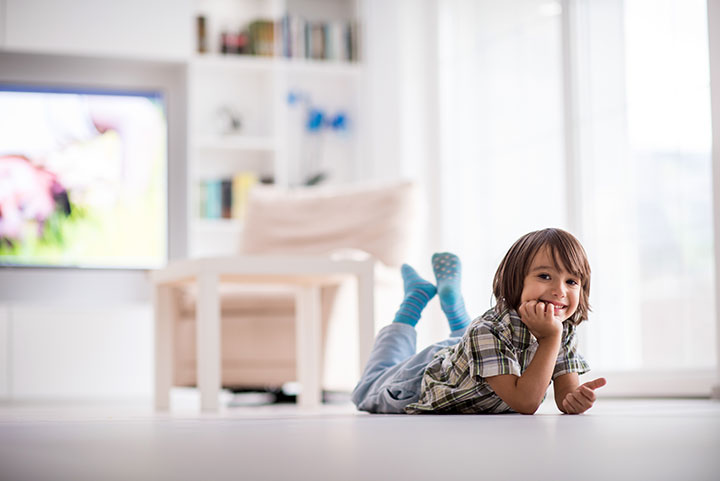
Children are naturally imaginative, and the design of your home can help nurture this quality. Setting aside a dedicated area for arts, crafts, or reading fosters creativity. Chalkboard walls or magnetic boards encourage kids to express themselves in fun and non-destructive ways. Simple design elements like bright cushions, playful wallpapers, or interactive shelves can bring joy to everyday routines.
In many ways, a child’s space serves as a canvas for their personality. Just as a girls dp might reflect identity on social platforms, a child’s corner or playroom reflects their evolving sense of self at home. This makes it important to keep spaces flexible and adaptable as children grow.
Creating Organized Yet Accessible Storage
Clutter is inevitable in a family home, but thoughtful design can turn chaos into order. Open shelving, labeled baskets, and cubby systems help children learn to put away their toys and belongings. Storage that’s low to the ground ensures accessibility, teaching responsibility and independence from an early age.
Well-organized spaces also reduce stress for parents. A neatly arranged living area promotes a calm environment, making it easier to juggle work, family, and social commitments. Much like navigating an Australian lawyer directory site for clear information, accessible storage helps families locate what they need without frustration.
Using Colors And Textures Wisely
Color has a profound effect on mood and energy. Choosing the right palette can make your home more inviting for children. Soft pastels or warm neutrals create a sense of calm, while brighter shades can energize play areas. Textures also play a key role—mixing smooth, soft, and tactile surfaces provides sensory variety that keeps spaces engaging.
Parents should consider the long-term adaptability of these choices. As children grow older, they may prefer more neutral or mature themes, so selecting flexible designs that evolve over time prevents the need for frequent renovations.
Fostering Family Interaction
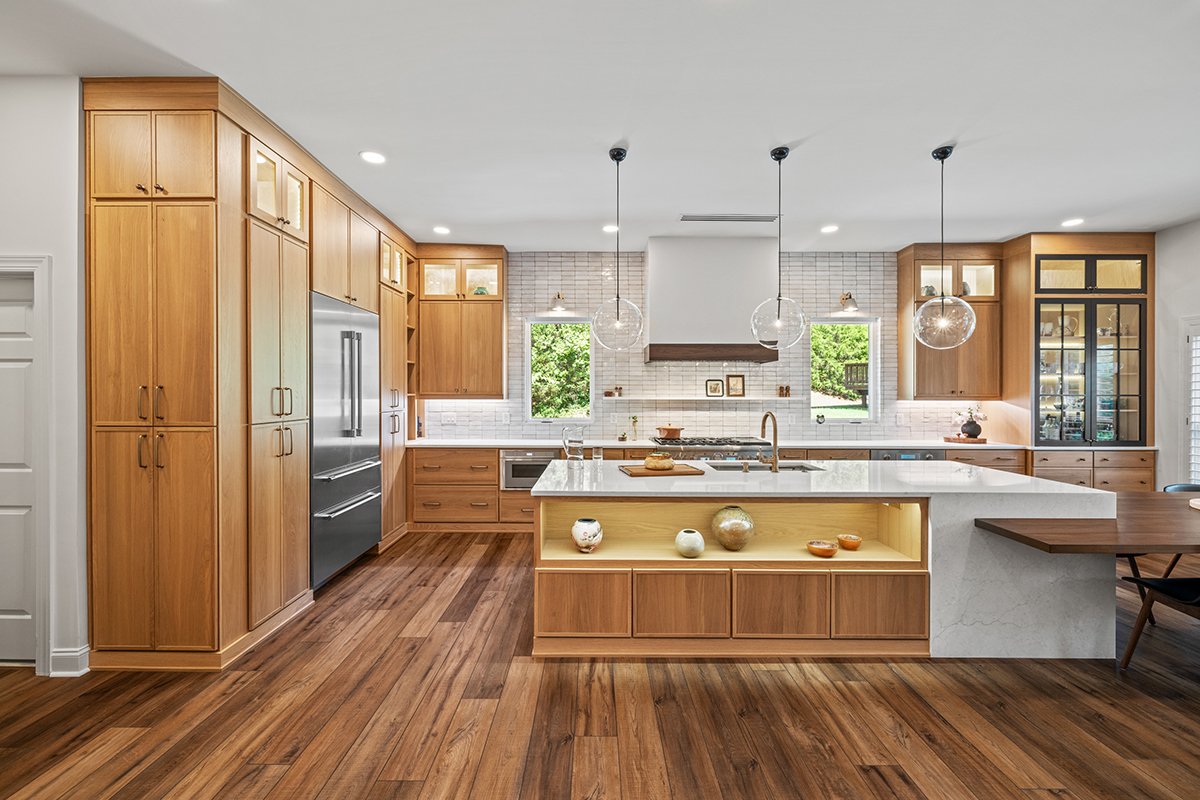
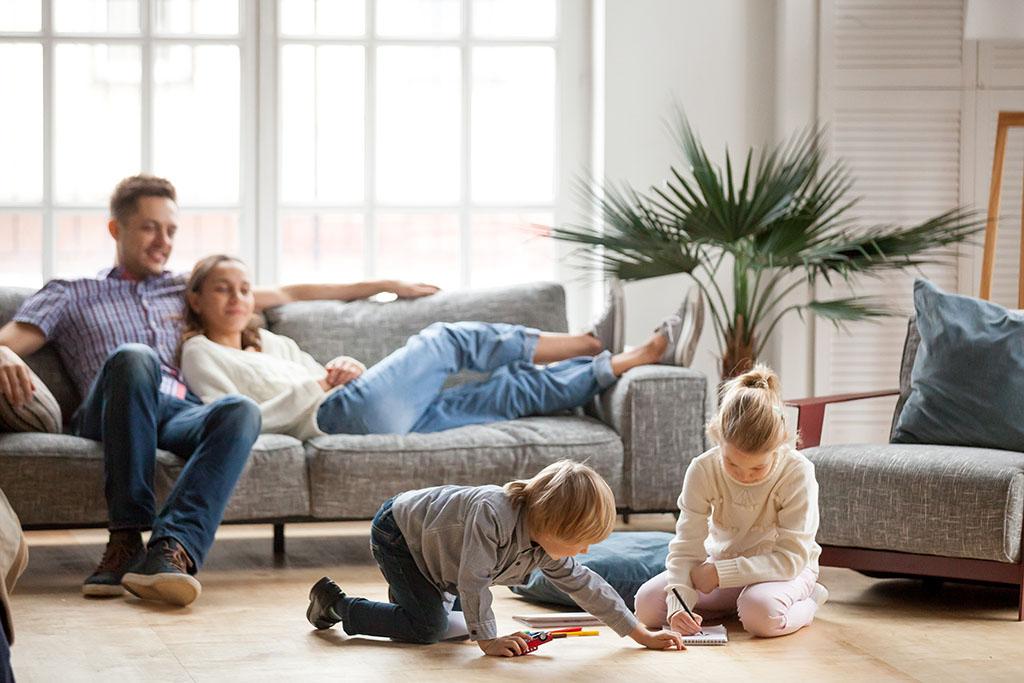
One of the greatest benefits of thoughtful home design is the way it encourages family interaction. Open-plan living spaces allow parents to cook while keeping an eye on children playing in the living room. Shared dining areas, complete with durable and easy-to-clean furniture, make family meals more enjoyable.
Design also extends outdoors. A safe backyard or patio with secure fencing and soft surfaces provides opportunities for children to explore nature and stay active. These shared spaces create memories, reinforcing the importance of connection in family life.
In some ways, the emotional tone of a home reflects the energy within it. Just as a line from boys attitude shayari can inspire confidence and self-expression, a well-designed family home inspires children to be themselves while learning to respect boundaries.
Technology And Smart Design Choices
Technology is becoming an integral part of modern homes, and when used thoughtfully, it can contribute to safer, happier environments for children. Smart lighting systems can automatically dim in the evening, helping kids wind down before bedtime. Video monitors and connected alarms enhance safety while giving parents reassurance.
Even entertainment can be designed with care. Interactive learning tools, smart TVs with parental controls, and digital assistants tailored for family use all add convenience. Balancing technology with traditional play ensures children get the best of both worlds.
Just as families explore a best digital marketing agency directory to find reliable partners for growth, parents can explore tech solutions that align with their values to support a balanced home environment.
The Role Of Professional Guidance
Sometimes, designing a kid-friendly home requires expert help. Interior designers, child safety consultants, and even local contractors can provide valuable insights. Their experience helps families make decisions that might otherwise be overlooked.
It’s not just about creating a safe home; it’s about ensuring the design matches your lifestyle. Engaging a home service professional for specific upgrades or renovations can streamline the process, leaving parents more time to focus on family rather than logistics.
Final Thought
Building a kid-friendly home is a continuous journey that adapts as children grow. By focusing on safety, comfort, creativity, and interaction, families can create spaces that nurture happiness and security. Every decision, from storage solutions to color choices, plays a role in shaping a child’s experiences. Ultimately, the goal is to design a home where both children and parents feel supported—a place where memories are made, laughter fills the air, and the foundation for a bright future is laid.