A comfortable home does not always require expensive renovations or dramatic design changes. Often, the improvements that have the greatest impact are small adjustments that remove unnecessary steps from everyday activities. Better storage, thoughtful lighting, convenient charging areas, and practical organization can transform routines that once felt frustrating into simple habits.
Modern households are also increasingly connected to digital services. People may organize physical documents at home while also accessing an official portal for administrative tasks, payments, registrations, or information. This combination of physical organization and digital convenience shows that an efficient household is not simply about appearance. It is about creating systems that make everyday responsibilities easier to manage.
Create a Dedicated Entryway Drop Zone
Keys, wallets, bags, sunglasses, and other small belongings often disappear because they do not have a permanent location. A simple entryway drop zone can eliminate much of this daily searching.
A narrow console, small tray, wall hooks, or compact basket may be enough. Family members can place frequently used belongings there whenever they enter the house. Keeping outgoing items near the door can also prevent last minute searching before work, school, or appointments.
Important contact details can be organized similarly. Instead of searching repeatedly for information such as the hkrnl contact number, households can maintain a digital folder or clearly labeled reference file containing useful numbers and administrative details.

Install Better Lighting in Task Areas
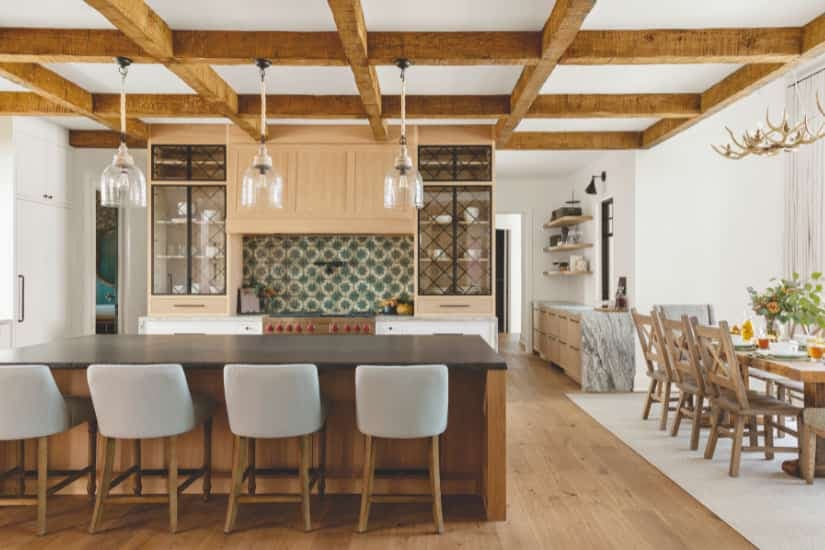
General ceiling lights are useful, but they do not always provide enough illumination for specific activities. Adding focused lighting can make kitchens, desks, wardrobes, bathroom mirrors, and reading areas considerably more functional.
Under cabinet lights can improve visibility while preparing meals. A small lamp beside a workspace can reduce the need to illuminate an entire room. Motion activated lights inside closets or along hallways can make nighttime movement more convenient.
These additions are relatively small, yet they influence routines several times every day. Good lighting also helps people find items faster and makes individual spaces feel more purposeful.
Build a Simple Household Information Station
Paperwork tends to accumulate quickly when there is no clear system for handling it. Bills, receipts, warranties, school documents, and government records can easily become mixed together.
A small filing system can solve much of this problem. Documents can be separated into categories, while frequently required information can be stored digitally. For example, someone looking for a pm kisan status check balance may benefit from keeping relevant registration details and reference information organized securely rather than searching through old paperwork every time.
The same principle applies to property related records. A household that occasionally uses the Mee Bhoomi Portal can maintain a dedicated folder for relevant land information and supporting documents. The objective is not to store everything indefinitely but to make important information easy to locate when required.
Add Charging Points Where Devices Are Actually Used
Phones, tablets, watches, earbuds, and other rechargeable devices have become part of daily household life. However, charging arrangements are often treated as an afterthought.
Creating small charging stations in practical locations can reduce cable clutter and prevent the familiar problem of searching for a charger. A bedside charging point works well for personal devices, while a shared charging area in a living room or kitchen can accommodate household electronics.
Cable clips, compact organizers, and labeled chargers can further improve the setup. Keeping wires controlled also makes surfaces easier to clean.
Make Frequently Used Storage Easier to Reach
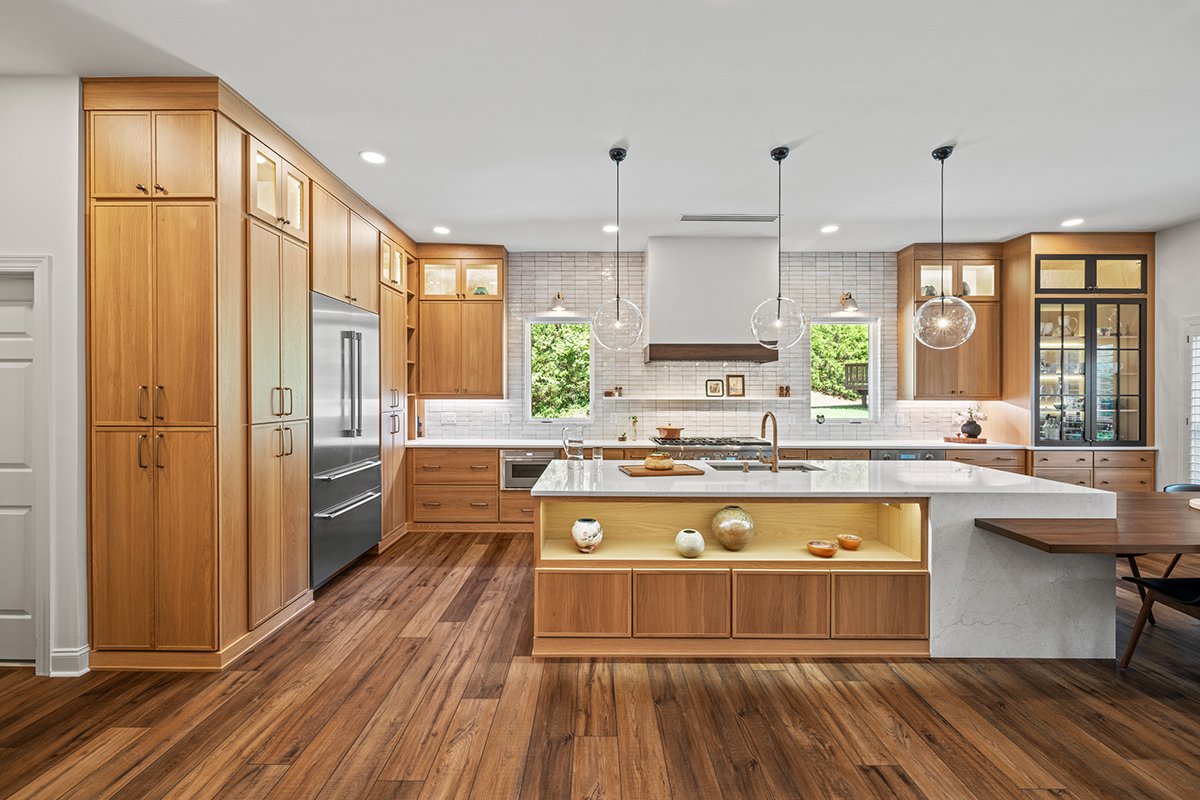
Storage is most effective when its location reflects how frequently an item is used. Everyday objects should generally be accessible without moving several other things first.
In the kitchen, frequently used cookware can occupy easy to reach cabinets while occasional appliances can be stored higher up. Bathrooms can follow the same principle, with daily toiletries placed near the sink and replacement supplies kept elsewhere.
Administrative information can be organized according to frequency as well. Someone who needs to access a mahabocw payment link should keep the correct digital reference bookmarked or stored securely instead of repeatedly searching for it. Small organizational decisions can prevent unnecessary interruptions.
Introduce Small Cleaning Stations
Cleaning becomes easier when supplies are close to the places where they are needed. Rather than keeping every cleaning product in one distant cupboard, consider creating small cleaning stations around the home.
A bathroom can have its own basic cleaning supplies, while kitchen cloths and surface cleaners can remain near the food preparation area. A compact handheld vacuum can be useful in spaces where crumbs or dust regularly accumulate.
This approach encourages quick maintenance instead of allowing small messes to become larger cleaning projects.
Use Drawer Dividers and Simple Containers
Drawers can become chaotic surprisingly quickly. Dividers are inexpensive upgrades that prevent unrelated items from mixing together. They work particularly well for kitchen utensils, office supplies, toiletries, accessories, and household tools.
Clear containers can provide similar benefits inside cupboards and pantries. When people can immediately see what they already own, they are less likely to purchase duplicates or waste time searching.
Labels can help, but organization does not need to become overly complicated. A simple system that everyone understands is usually more sustainable than an elaborate arrangement requiring constant maintenance.
Improve Everyday Comfort Through Small Changes
Effortless routines are usually created through dozens of minor improvements rather than one major renovation. A hook placed exactly where a bag is normally dropped, better lighting above a counter, a convenient charging point, or an organized digital folder can save small amounts of time every day.
The best household upgrades respond to actual habits. Instead of designing a home around an idealized routine, it is more practical to notice where frustration repeatedly occurs and make small adjustments around those moments. When everyday objects, information, and essential tools are easier to access, the home naturally becomes simpler to manage and more comfortable to live in.